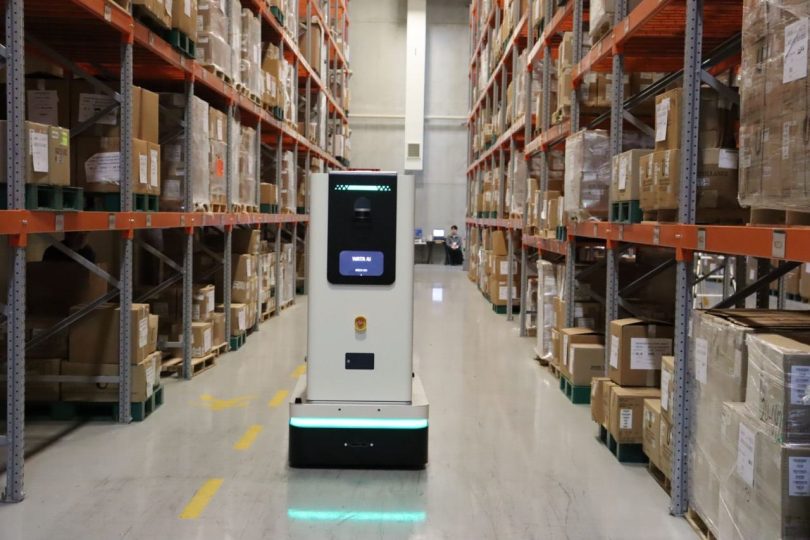

The busiest question in warehouse automation is no longer whether robots work, but how people work alongside them. Facilities introducing mobile robots are redesigning floors, routes and routines so that staff and machines share space predictably and safely. Marked crossings, sensor fields that slow robots when someone steps close, and clear rules about who has priority in each zone replace the older model of simply fencing automation away. Trainers say the goal is a workplace where nobody is surprised by a machine’s movement, and where robots absorb the long walking and heavy carrying that cause fatigue and injury, while people handle judgment, quality checks and the exceptions that automated systems handle poorly. The redesign work is continuous rather than finished, with each new robot model or layout change reopening questions that staff and engineers settle together on the floor.
What the Evidence Shows
Safety design extends beyond sensors to the organisation of work itself. Shifts are planned so charging, maintenance and peak picking do not collide; new staff practise in simulated robot zones before entering live areas; and incident data, including near misses, feeds back into layout changes. Unions and safety specialists increasingly sit in on automation projects from the start, arguing that systems designed with workers tend to run better than systems imposed on them. Managers who have made the transition say productivity followed trust: when staff understand what robots will do and feel the work becoming less punishing, adoption smooths. The warehouse of the near future is therefore as much a designed human environment as a technical one. Facilities that treat safety as design, rather than paperwork, report the steadiest operations, suggesting the human questions were the engineering questions all along in modern warehousing. Reporting and analysis from sources such as MIT Technology Review track the same developments, and specialists following safe human and robot warehouse workflows say the direction is now consistent across independent lines of evidence.
The Wider Context
The wider context is an industry learning to ship capability and restraint together. Products built around safe human and robot warehouse workflows now launch with safety evaluations, usage data and rollback plans as standard, because enterprise buyers and regulators ask for them in the first meeting. Companies that treated those questions as friction are discovering they have become the purchase criteria.
What Happens Next
What happens next for safe human and robot warehouse workflows depends less on another breakthrough than on the unglamorous work of reliability, pricing and support. The buyers evaluating it now are not enthusiasts; they are operators with budgets and auditors, and their checklists will decide the timeline. On the evidence of the current pilots, the technology has earned the right to be judged by them. You can follow related developments in our coverage of technology.
There is a practical lesson in all of this for readers deciding what to do today. Start with the verified facts, be wary of anyone promising certainty, and prefer reversible steps while the evidence is still developing. Circumstances differ by country, income and personal situation, so general guidance should always be weighed against your own context before you act on it in any significant or lasting way.