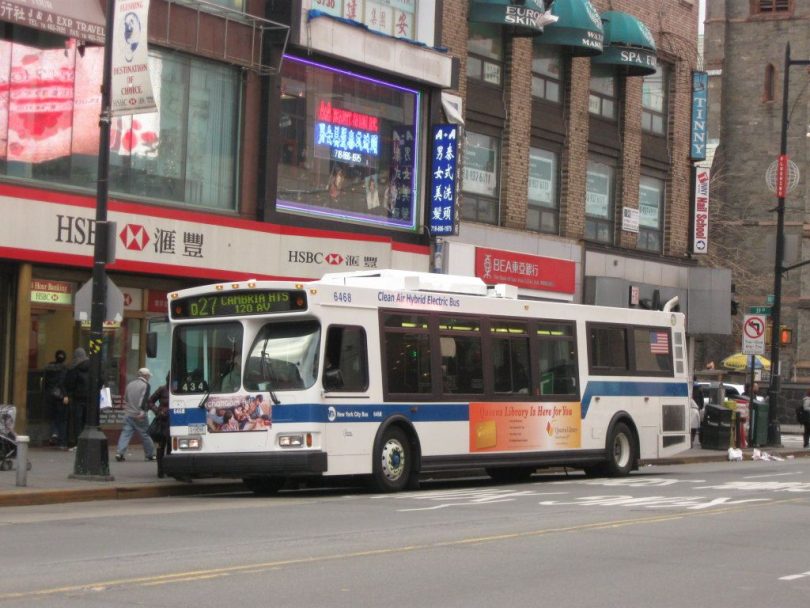

Boarding a city bus is getting quicker on several busy routes, as contactless payment replaces the slower search for exact change at the front of the vehicle. Transport officials say tapping a card or phone shortens the pause at each stop, which helps buses keep to time and reduces the queues that form on crowded pavements. Drivers report smoother departures, while passengers say the change is most welcome in bad weather and during the morning rush. Paper tickets and travel cards remain available, and staff have been riding selected routes to help anyone using the new readers for the first time. The readers accept bank cards, phones and wearable devices, and conductors say passengers who once hesitated at the doors now board with noticeably greater confidence.
What the Evidence Shows
Small savings at individual stops can add up across a long route with dozens of boarding points, especially where several passengers join at once. Operators are watching journey times closely to see where the benefits are greatest and whether timetables should be adjusted to reflect faster boarding. Accessibility campaigners have asked that reader positions, audio confirmations and screen contrast be checked with disabled passengers, so speed does not come at the cost of confidence. Fare capping, which limits what regular travellers pay over a day or week, is also being explained more clearly on board. For many passengers, the ideal bus journey is an uneventful one, and faster, simpler boarding is a practical step towards it. Transport officials expect the clearest results on school and commuter routes with heavy boarding. Reporting and analysis from sources such as BBC News track the same developments, and specialists following contactless bus boarding say the direction is now consistent across independent lines of evidence.
The Wider Context
The wider context is a public conversation conducted at a speed institutions were not built for. Developments around contactless bus boarding are announced, contested and revised within a single news cycle, and the officials involved have learned to publish evidence alongside claims so that scrutiny can actually occur. Trust, the polling suggests, follows that transparency more than it follows confidence.
What Happens Next
What happens next in the story of contactless bus boarding will be decided in the places where it is being implemented, measured and argued about in public. The officials and organisations involved have committed to publishing progress data, and that commitment gives residents, businesses and journalists something firmer than promises to judge. The next milestones are dated, which means they can be checked. You can follow related developments in our coverage of news.
None of this will be settled by a single announcement, study or product launch. The pattern to watch is accumulation: independent confirmations, honest reporting of failures and steady improvement in the underlying numbers. Readers who follow those signals, rather than the loudest claim of the week, will understand this subject better than most of the commentary surrounding it suggests is possible.