
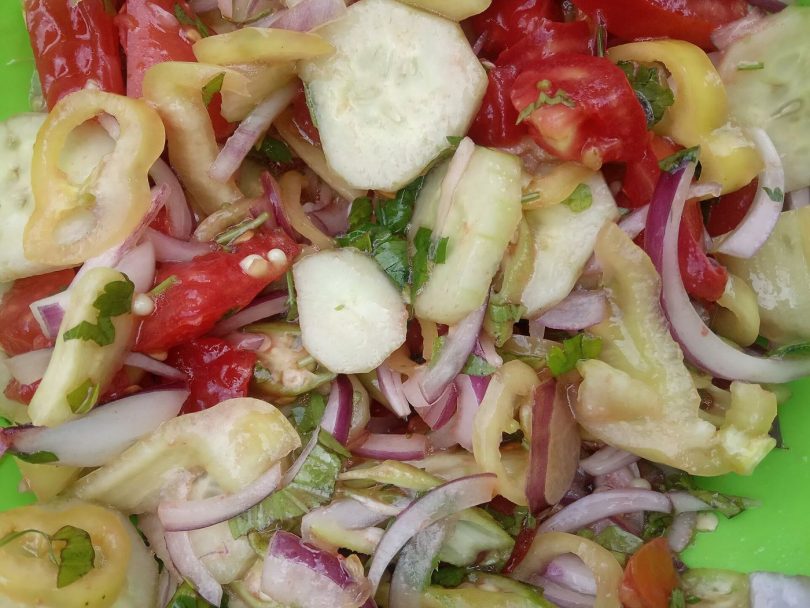

A bowl filled with colourful vegetables, grains and a drizzle of olive oil can be both satisfying and practical for busy households. Nutrition specialists often encourage variety rather than strict rules, because different vegetables provide different fibres, vitamins and flavours. Building meals around seasonal produce can also keep costs manageable and reduce reliance on heavily processed convenience foods. Simple preparation matters too. Roasting, steaming or lightly grilling vegetables preserves texture and makes it easier to enjoy larger portions without complicated recipes. Adding beans, lentils, eggs, fish or whole grains turns a side dish into a complete meal. For many families, small repeatable changes are more realistic than an entirely new diet planned overnight.
What the Evidence Shows
Planning helps those changes stick. Washing and chopping vegetables in advance, keeping frozen options available and reusing leftovers in soups or salads all reduce waste during the week. Taste should not be treated as an afterthought, since meals people enjoy are the meals they are likely to repeat. Herbs, citrus, garlic and spices can add interest without depending on excessive salt or sugar. Health professionals also remind readers that individual needs vary, especially for people managing medical conditions or allergies. A balanced pattern built gradually, with room for cultural preferences and family traditions, is generally more sustainable than chasing short term trends or copying restrictive plans from social media altogether. Reporting and analysis from sources such as National Institutes of Health track the same developments, and specialists following colourful vegetable meals everyday nutrition say the direction is now consistent across independent lines of evidence.
The Wider Context
The wider context is a health system trying to move from treating illness late to preventing it early, against budgets that reward the opposite. Evidence around colourful vegetable meals everyday nutrition is being weighed by guideline committees that ask two questions in order: does it work, and can ordinary services actually deliver it at scale. Many good ideas pass the first test and stall on the second.
What Happens Next
What happens next for colourful vegetable meals everyday nutrition depends on the slow machinery of guidelines, funding and training catching up with the evidence. Patients asking about it today should expect honest answers that include uncertainty, and clinicians say a service that explains what is not yet known earns more trust than one that oversells. The research pipeline, at least, is moving in the right direction. You can follow related developments in our coverage of health.
None of this will be settled by a single announcement, study or product launch. The pattern to watch is accumulation: independent confirmations, honest reporting of failures and steady improvement in the underlying numbers. Readers who follow those signals, rather than the loudest claim of the week, will understand this subject better than most of the commentary surrounding it suggests is possible.