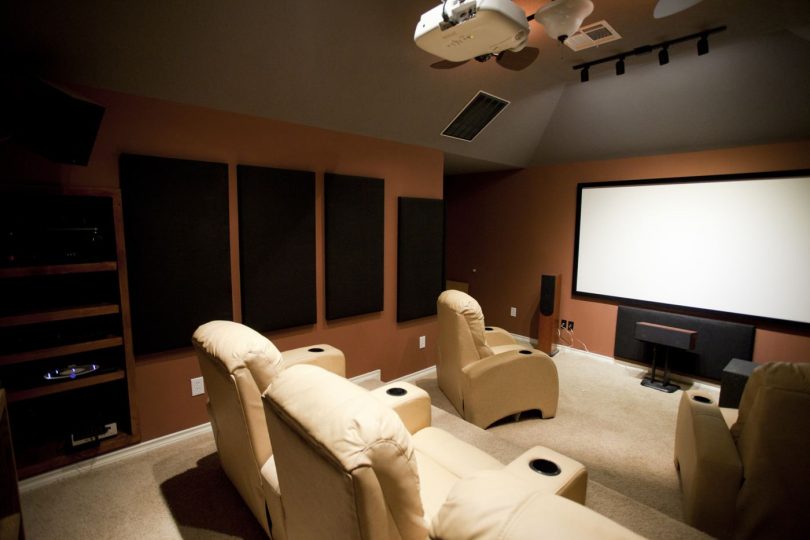

A television can only grow so large before it dominates the room and the budget, but a projector can throw a picture a hundred inches wide onto a plain wall or a pull-down screen. Laser projectors have made that promise practical at last. Unlike older lamp projectors, which dimmed over time and needed expensive bulb replacements, a laser light source stays bright for tens of thousands of hours and switches on instantly. The picture is sharper and more colourful too, with high-resolution models and wide colour ranges that suit films, sport and games. Short-throw models can sit just centimetres from the wall and still fill it, turning even a small living room into a cinema. For film lovers, the appeal is the scale: a picture that fills the field of vision, much like a real cinema screen. A picture that once needed a bulky cinema projector can now come from a device no larger than a shoebox.
What the Evidence Shows
Choosing a projector still takes some thought. A dark room matters more than with a television, since even a bright projector struggles against sunlight, so curtains and evening viewing are part of the deal. The surface matters too: a plain white wall works, but a proper screen improves contrast and colour, and the sound needs attention, since the small speaker inside a projector cannot match a cinema. Many owners pair the projector with a soundbar or a set of speakers and a streaming stick, building a simple home cinema for far less than a giant television would cost. Prices have fallen steadily, and compact models can now be carried between rooms or taken to a friend’s house. For viewers who want the biggest picture their home can hold, the laser projector has become the affordable way to get it. Reporting and analysis from sources such as MIT Technology Review track the same developments, and specialists following the laser projectors turning living rooms into cinemas say the direction is now consistent across independent lines of evidence.
The Wider Context
The wider context is an industry learning to ship capability and restraint together. Products built around the laser projectors turning living rooms into cinemas now launch with safety evaluations, usage data and rollback plans as standard, because enterprise buyers and regulators ask for them in the first meeting. Companies that treated those questions as friction are discovering they have become the purchase criteria.
What Happens Next
What happens next for the laser projectors turning living rooms into cinemas depends less on another breakthrough than on the unglamorous work of reliability, pricing and support. The buyers evaluating it now are not enthusiasts; they are operators with budgets and auditors, and their checklists will decide the timeline. On the evidence of the current pilots, the technology has earned the right to be judged by them. You can follow related developments in our coverage of technology.
There is a practical lesson in all of this for readers deciding what to do today. Start with the verified facts, be wary of anyone promising certainty, and prefer reversible steps while the evidence is still developing. Circumstances differ by country, income and personal situation, so general guidance should always be weighed against your own context before you act on it in any significant or lasting way.