
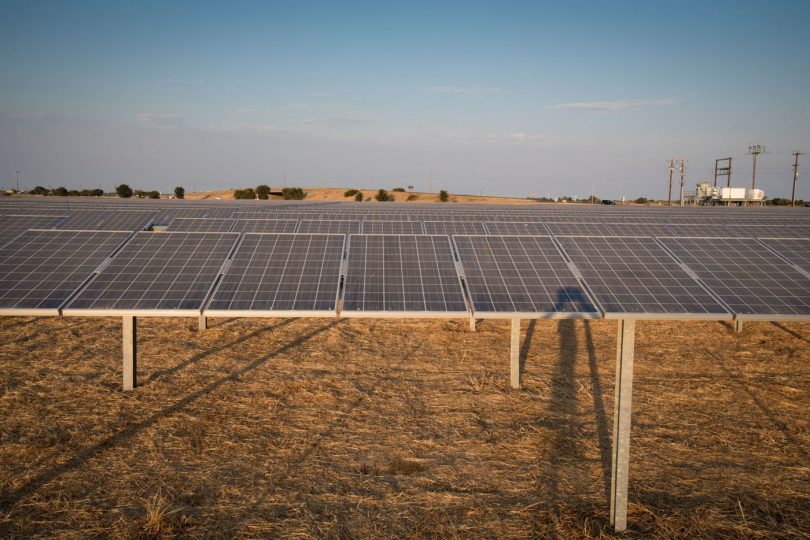

Cryptocurrency mining has long been criticised for the electricity it consumes, but a growing number of miners are now building their operations around renewable power that would otherwise go to waste. Wind and solar farms often produce more electricity than the grid can use, especially at night or in remote places where transmission lines are weak. Miners set up beside these sites, buying the surplus power cheaply and switching off when demand on the grid rises. Energy companies say the arrangement gives them a buyer for power that would otherwise be thrown away, making new wind and solar projects easier to finance. Critics remain unconvinced, arguing that the same clean power could serve homes and factories instead, and that mining still adds demand to grids that are already under strain. The debate has become one of the sharpest in the energy world, with both sides claiming the evidence supports them.
What the Evidence Shows
The shift is changing where mining happens and who profits from it. Regions with abundant hydro, wind or geothermal power are attracting mining firms, bringing jobs and tax revenue to places that previously had little industry. Some oil and gas companies are also capturing gas that would otherwise be flared at wells and using it to power mining rigs, cutting emissions in the process. Environmental groups say these gains are modest compared with the scale of mining energy use, and that the industry should publish clearer data on its power sources. Mining firms reply that they are among the few customers flexible enough to use power when it is cheap and stop when it is needed elsewhere. If the trend continues, the image of mining as a purely wasteful activity may soften, though the argument over its true footprint is far from settled. Reporting and analysis from sources such as European Central Bank track the same developments, and specialists following crypto mining renewable energy say the direction is now consistent across independent lines of evidence.
The Wider Context
The wider context is a sector being absorbed, piece by piece, into the regulated financial mainstream. Work on crypto mining renewable energy now happens under licensing regimes, audit expectations and consumer-protection rules that would have been unrecognisable a few years ago. Long-standing participants are divided between relief at the legitimacy and regret for the experiment’s wilder freedoms.
What Happens Next
What happens next for crypto mining renewable energy will be shaped by the interaction of regulation, market appetite and the sector’s own capacity for self-inflicted wounds. The infrastructure is more professional than it was, the rules are clearer, and the remaining question is whether growth can stay boring. Participants with the longest memories say boring would be the real milestone. You can follow related developments in our coverage of crypto.
None of this will be settled by a single announcement, study or product launch. The pattern to watch is accumulation: independent confirmations, honest reporting of failures and steady improvement in the underlying numbers. Readers who follow those signals, rather than the loudest claim of the week, will understand this subject better than most of the commentary surrounding it suggests is possible.