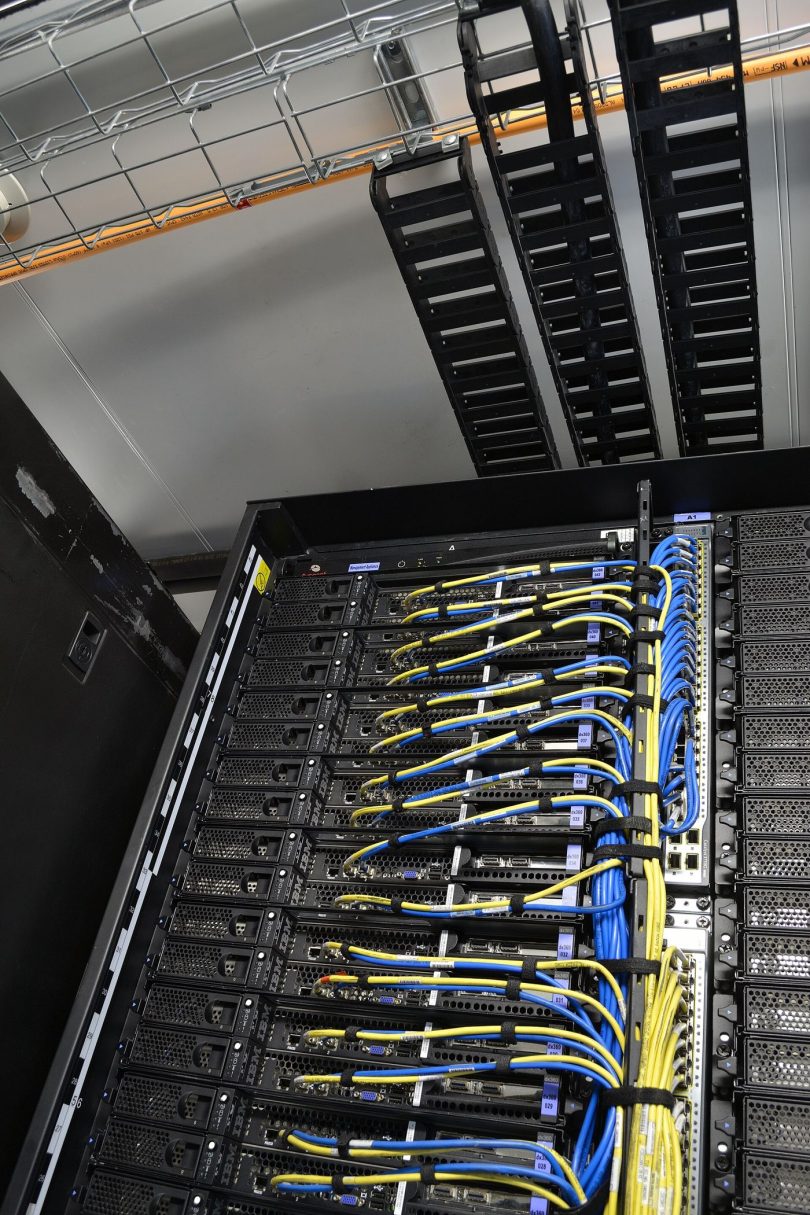

American power-and-compute company Torus introduced Foundry on 11 November, a factory-built system that combines energy storage, cooling, networking and AI computing into modules installed at existing commercial or industrial grid connections. The company also announced 500 million dollars of growth capital led by Magnetar to fund the rollout. Each installation is aimed at one to 20 megawatts of capacity, far smaller than the giant campuses proposed by the largest technology firms. The idea is to put AI compute where power already exists, instead of waiting years for new grid connections, and to build the modules in a factory so sites can be deployed in months rather than years. Torus says the modular design also lets operators add capacity gradually, starting with a single unit and expanding as demand grows, instead of committing to a giant campus upfront.
What the Evidence Shows
The modular approach answers one of the biggest bottlenecks in the AI build-out: getting power to new data centres. Traditional campuses can wait years for grid upgrades, while factory-built units arrive ready to run. Siting compute at existing industrial connections also spreads the load more evenly across the grid. The questions are the familiar ones: total energy demand still grows, local communities still want a say, and smaller sites must prove they can run efficiently at scale. If Foundry delivers on its promises, the next wave of AI infrastructure may be built in factories, not just on construction sites. Analysts note that modular systems still face the same long-term questions as any data centre: where the electricity comes from, how the waste heat is handled, and whether local communities welcome the development. Reporting and analysis from sources such as MIT Technology Review track the same developments, and specialists following the factory-built modular AI compute systems say the direction is now consistent across independent lines of evidence.
The Wider Context
The wider context is an industry learning to ship capability and restraint together. Products built around the factory-built modular AI compute systems now launch with safety evaluations, usage data and rollback plans as standard, because enterprise buyers and regulators ask for them in the first meeting. Companies that treated those questions as friction are discovering they have become the purchase criteria.
What Happens Next
What happens next for the factory-built modular AI compute systems depends less on another breakthrough than on the unglamorous work of reliability, pricing and support. The buyers evaluating it now are not enthusiasts; they are operators with budgets and auditors, and their checklists will decide the timeline. On the evidence of the current pilots, the technology has earned the right to be judged by them. You can follow related developments in our coverage of technology.
There is a practical lesson in all of this for readers deciding what to do today. Start with the verified facts, be wary of anyone promising certainty, and prefer reversible steps while the evidence is still developing. Circumstances differ by country, income and personal situation, so general guidance should always be weighed against your own context before you act on it in any significant or lasting way.