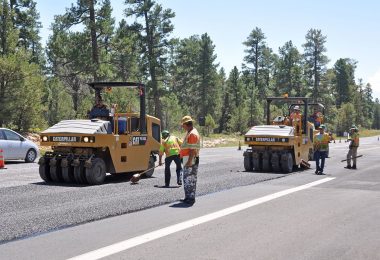
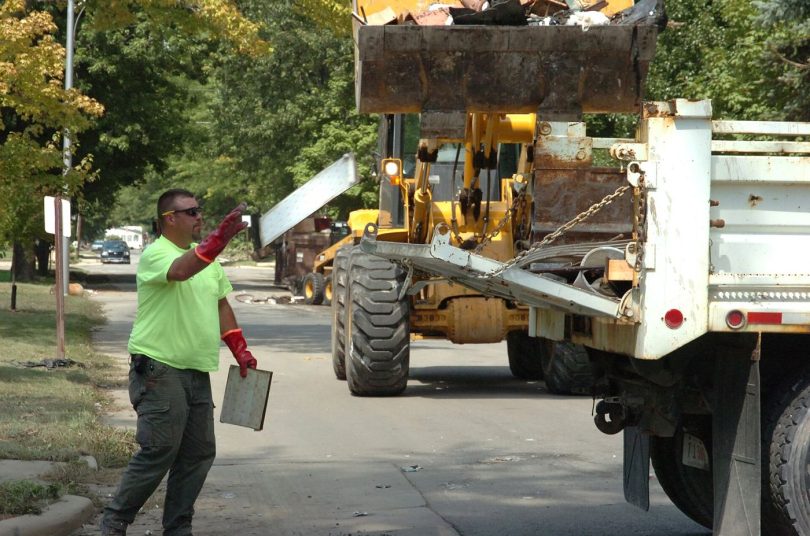

Cleanup crews and local volunteers spent the day clearing flooded streets after a night of heavy rain left mud, branches and litter spread across roads and pavements in several neighbourhoods. Council teams arrived first with pumps and barriers where water was still standing, then worked alongside residents who brought brushes, wheelbarrows and waterproof boots to help their own streets recover faster. The priority was reopening routes for buses, carers and delivery drivers, while checking on older residents and anyone whose ground floor rooms had taken in water during the worst of the downpour. Shopkeepers swept out doorways and moved damaged stock, with neighbouring businesses lending dehumidifiers, extension leads and storage space so trading could restart as quickly as possible for everyone affected. Environmental staff reminded helpers to wash hands after handling floodwater, to keep children away from drains and to report any manhole covers lifted by the force of the water underneath the street surface. By evening, most roads were passable again, although gardens, cellars and some footpaths will take much longer to dry out fully after such a concentrated burst of rain in a short time. By nightfall, the shared effort had visibly lifted spirits across the affected streets, with neighbours exchanging phone numbers and promises to check on each other whenever heavy rain is forecast again locally.
What the Evidence Shows
Council leaders say the cleanup is only the visible half of the response, because every flooded street is now being logged with photographs and residents’ reports to build a clearer map of where water gathers first. That evidence shapes which drains are enlarged, which gullies get extra cleaning visits and where permeable surfaces or rain gardens might slow water before it reaches the road in future storms. Households are being given written advice on drying rooms safely, photographing damage for insurers and avoiding mould by ventilating affected spaces as soon as heating can be used again. Volunteer groups plan to keep a simple register of people willing to help next time, with named street contacts who know which neighbours may need a knock on the door when warnings are issued. Weather forecasters caution that saturated ground means further rain this week could flood the same spots more quickly than usual. Even so, residents repeatedly praised the speed of the shared effort, saying streets that looked hopeless at dawn felt ordinary again by nightfall because so many people simply turned up and helped. Councillors promised a public summary of the findings once the survey work is complete, so residents can see exactly what will change before the next storm season arrives in the area. Reporting and analysis from sources such as BBC News track the same developments, and specialists following volunteers clear flooded streets after rain say the direction is now consistent across independent lines of evidence.
The Wider Context
The wider context is a public conversation conducted at a speed institutions were not built for. Developments around volunteers clear flooded streets after rain are announced, contested and revised within a single news cycle, and the officials involved have learned to publish evidence alongside claims so that scrutiny can actually occur. Trust, the polling suggests, follows that transparency more than it follows confidence.
What Happens Next
What happens next in the story of volunteers clear flooded streets after rain will be decided in the places where it is being implemented, measured and argued about in public. The officials and organisations involved have committed to publishing progress data, and that commitment gives residents, businesses and journalists something firmer than promises to judge. The next milestones are dated, which means they can be checked. You can follow related developments in our coverage of news.