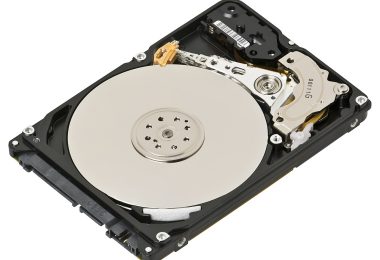
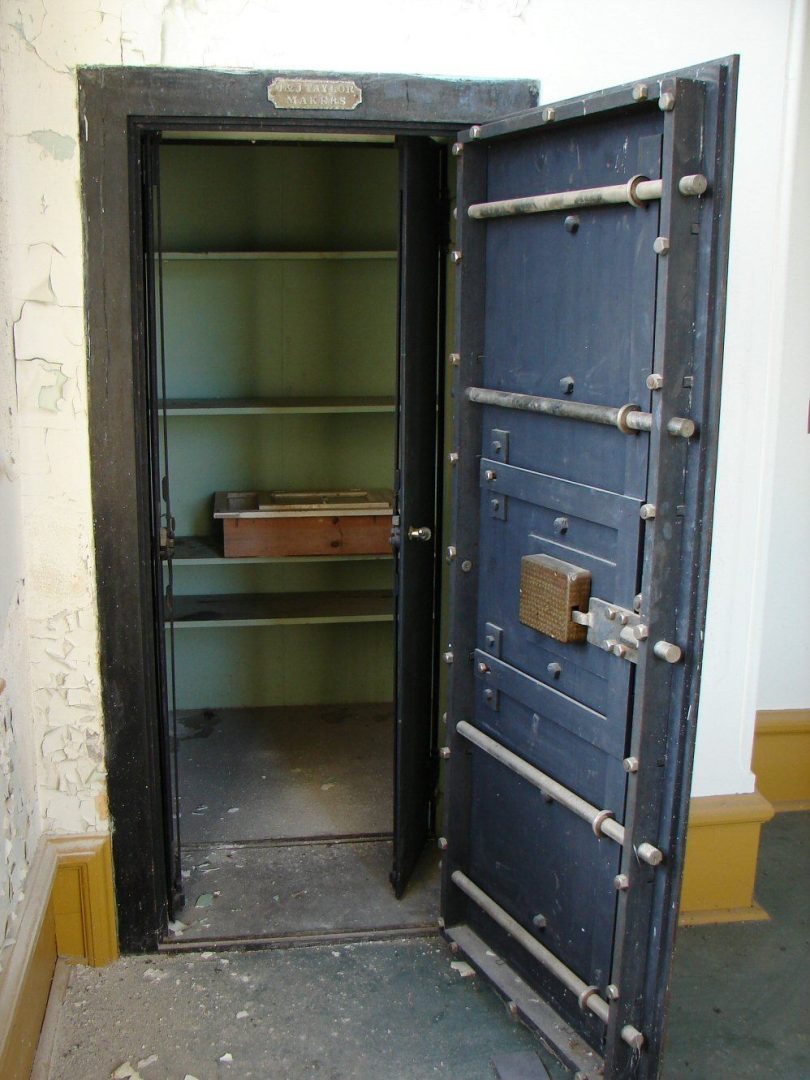

More long-term holders are moving digital assets into cold storage vaults, reflecting a growing focus on security over convenience among people who do not trade frequently. Cold storage means keeping the keys that control an asset offline, away from internet-connected devices, so they cannot be reached through a compromised phone or computer. For holders thinking in years rather than weeks, that separation feels worth the extra care involved in setting it up and making occasional transfers. Providers of vault-style products say customers increasingly ask about backup arrangements, inheritance planning, and what happens if a device is lost or damaged. The conversation, they note, has matured: buyers who once asked only about price now ask detailed questions about recovery, durability, and how a vault fits alongside their other important documents and safeguards. Those involved say progress will be judged by everyday experience, not by launch-day attention or short-lived headlines.
What the Evidence Shows
Good cold storage still depends on habits rather than hardware alone. Security specialists advise holders to test recovery with a small amount first, store backup information in more than one secure place, and never share it with anyone who contacts them unexpectedly claiming to offer help. They also recommend keeping a clear, private record for trusted family members explaining that the vault exists and where professional guidance can be found, without recording the secrets themselves. As digital assets become a more ordinary part of long-term savings for some households, vaults are being treated less like gadgets and more like safes: rarely opened, carefully placed, and valued mainly for the quiet confidence they provide that savings will still be there when they are eventually needed. None of this will transform habits overnight, but steady repetition of sound practice tends to matter more than any single announcement or product launch. Reporting and analysis from sources such as European Central Bank track the same developments, and specialists following cold storage vaults for long-term holders say the direction is now consistent across independent lines of evidence.
The Wider Context
The wider context is a sector being absorbed, piece by piece, into the regulated financial mainstream. Work on cold storage vaults for long-term holders now happens under licensing regimes, audit expectations and consumer-protection rules that would have been unrecognisable a few years ago. Long-standing participants are divided between relief at the legitimacy and regret for the experiment’s wilder freedoms.
What Happens Next
What happens next for cold storage vaults for long-term holders will be shaped by the interaction of regulation, market appetite and the sector’s own capacity for self-inflicted wounds. The infrastructure is more professional than it was, the rules are clearer, and the remaining question is whether growth can stay boring. Participants with the longest memories say boring would be the real milestone. You can follow related developments in our coverage of crypto.
None of this will be settled by a single announcement, study or product launch. The pattern to watch is accumulation: independent confirmations, honest reporting of failures and steady improvement in the underlying numbers. Readers who follow those signals, rather than the loudest claim of the week, will understand this subject better than most of the commentary surrounding it suggests is possible.