
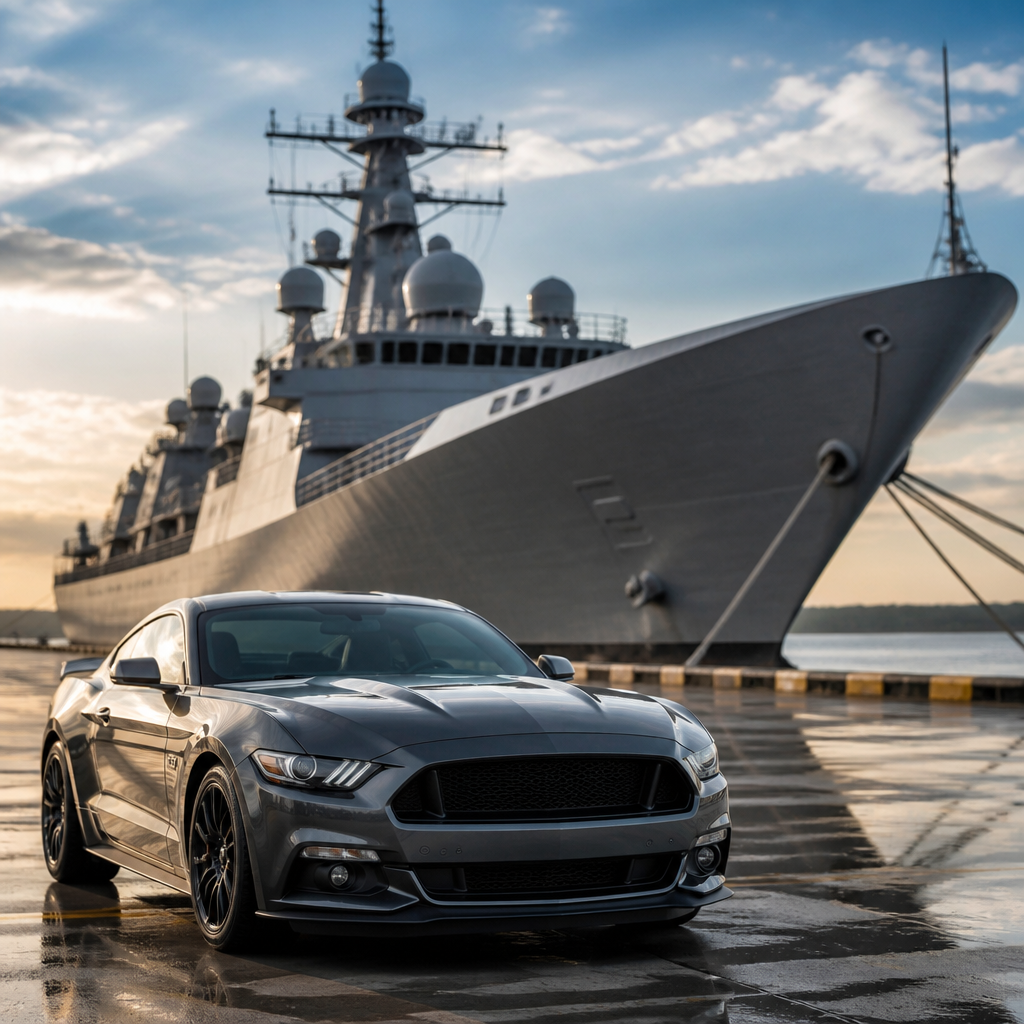
Few names in American history carry the weight and resonance of “Mustang.” Whether roaring down an open highway or cutting through coastal waters, the Mustang name has come to symbolize power, endurance, and an unmistakable American identity. From the legendary Ford Mustang that defined an era of automotive performance to the Coast Guard cutter that served the nation for nearly four decades, the Mustang legacy spans industries, generations, and purposes in ways that few names ever achieve. Understanding this dual heritage offers a fascinating lens through which to appreciate both engineering excellence and dedicated public service.
A Name Built on Performance and Purpose
The Mustang name first captured the American imagination in 1964 when Ford introduced its now-legendary pony car to the world. Within just a few years, the model had evolved into something far more formidable. The 1967 model year represented a pivotal moment in the Mustang’s development, as Ford widened the body, upgraded the engine options, and refined the overall package to compete with increasingly powerful rivals. The 1967 Mustang GT Features set a benchmark for what a performance-oriented American muscle car could achieve — combining aggressive styling with genuine mechanical capability in a way that resonated deeply with driving enthusiasts across the country. That combination of form and function became the foundation upon which the Mustang’s enduring reputation was built.
Engineering Excellence in the 1967 Mustang GT
The 1967 Mustang GT Fastback was not simply a styling exercise. Ford’s engineers made deliberate, meaningful choices that elevated the car’s performance credentials beyond what any previous Mustang had offered. The wider body allowed for larger engine options, most notably the 390 cubic inch FE V8, which produced 320 horsepower and delivered the kind of torque that made the car genuinely thrilling to drive. The GT package added front disc brakes — a significant safety and performance upgrade for the era — along with a sport-tuned suspension that improved handling without sacrificing the ride quality expected of a daily driver.
The Fastback Body Style and Its Cultural Impact
Among the three body styles offered in 1967, the Fastback remains the most visually striking and culturally significant. Its long, sloping roofline and aggressive rear haunches gave the car a sense of motion even when standing still. This was the body style that appeared in Steve McQueen’s iconic film Bullitt just one year later, cementing the Fastback’s place in American popular culture. The design was not merely aesthetic — the fastback roofline improved aerodynamic efficiency at speed, contributing to the car’s overall performance character. Decades later, this silhouette remains one of the most recognizable in automotive history.
The Mustang Name at Sea: A Different Kind of Service
While the automotive world celebrated the Mustang’s performance legacy, the United States Coast Guard was writing its own chapter of Mustang history on the open water. The Coast Guard Cutter Mustang served the nation for almost 40 years before being decommissioned, a testament to the durability and reliability that the name had come to represent. The vessel performed search and rescue operations, law enforcement missions, and maritime security patrols throughout its long career, embodying the same spirit of dependable performance that made the automotive Mustang so beloved. The parallel is striking — both the car and the cutter were built to perform under pressure, to endure demanding conditions, and to serve a purpose greater than mere transportation.
What the Cutter’s Decommissioning Tells Us About Legacy
When a vessel with nearly four decades of service is retired, it marks the end of an era while simultaneously honoring everything that era represented. The Coast Guard Cutter Mustang’s decommissioning was a moment of reflection for those who served aboard her and for the communities she protected. It also serves as a reminder that the most meaningful legacies are built not through spectacle, but through consistent, reliable performance over time. This is a lesson that resonates equally in the world of classic automobiles, where the cars that endure in memory are those that delivered genuine capability rather than empty promises.
The Restomod Movement and the Mustang’s Continued Evolution
The Mustang’s influence on automotive culture has never been static. Each generation of enthusiasts finds new ways to engage with the nameplate, whether through preservation, restoration, or creative reimagining. The restomod movement — which blends classic styling with modern mechanical components — has produced some of the most compelling Mustang builds in recent memory. This approach to reverse restomod engineering demonstrates how modern Mustangs can be transformed to evoke the golden era of Shelby GT performance, creating vehicles that honor the past while embracing contemporary technology. These builds speak to the depth of passion that the Mustang inspires across generations of enthusiasts.
Why Classic Mustangs Continue to Appreciate in Value
The collector car market has consistently rewarded well-preserved and thoughtfully restored examples of the 1967 Mustang GT Fastback. Several factors contribute to this sustained appreciation. First, the car’s cultural significance is undeniable — it represents a specific moment in American history when optimism, performance, and style converged in a single, affordable package. Second, the mechanical simplicity of these early Mustangs makes them accessible to enthusiasts who want to maintain and modify their vehicles without relying on complex electronic systems. Third, and perhaps most importantly, the 1967 Mustang GT simply looks extraordinary, and beautiful design never goes out of fashion.
Revology Cars: Honoring the 1967 Mustang GT’s Heritage
For those who want to experience the 1967 Mustang GT’s legendary character without the compromises that often accompany vintage ownership, Revology Cars has developed a compelling solution. The company specializes in meticulously crafted reproductions of classic Ford Mustangs, combining period-correct styling with modern engineering to deliver a driving experience that honors the original while exceeding it in reliability and refinement. Revology’s approach is rooted in deep respect for the source material — every detail of the 1967 Mustang GT is studied, understood, and faithfully recreated before modern improvements are thoughtfully integrated. The result is a vehicle that captures the spirit of the original without asking its owner to sacrifice the conveniences of contemporary automotive technology.
Conclusion: A Legacy That Transcends Categories
The Mustang name has proven itself remarkably versatile, lending its identity to a muscle car that defined American performance culture and a Coast Guard cutter that protected American waters for nearly four decades. What connects these two very different expressions of the Mustang legacy is a shared commitment to performance, endurance, and purpose. The 1967 Mustang GT Fastback remains one of the most significant automobiles ever produced on American soil, not simply because of its specifications, but because of what it represented — a belief that performance and style could coexist within reach of ordinary Americans. That belief, and the engineering that supported it, continues to inspire enthusiasts, builders, and collectors to this day.