
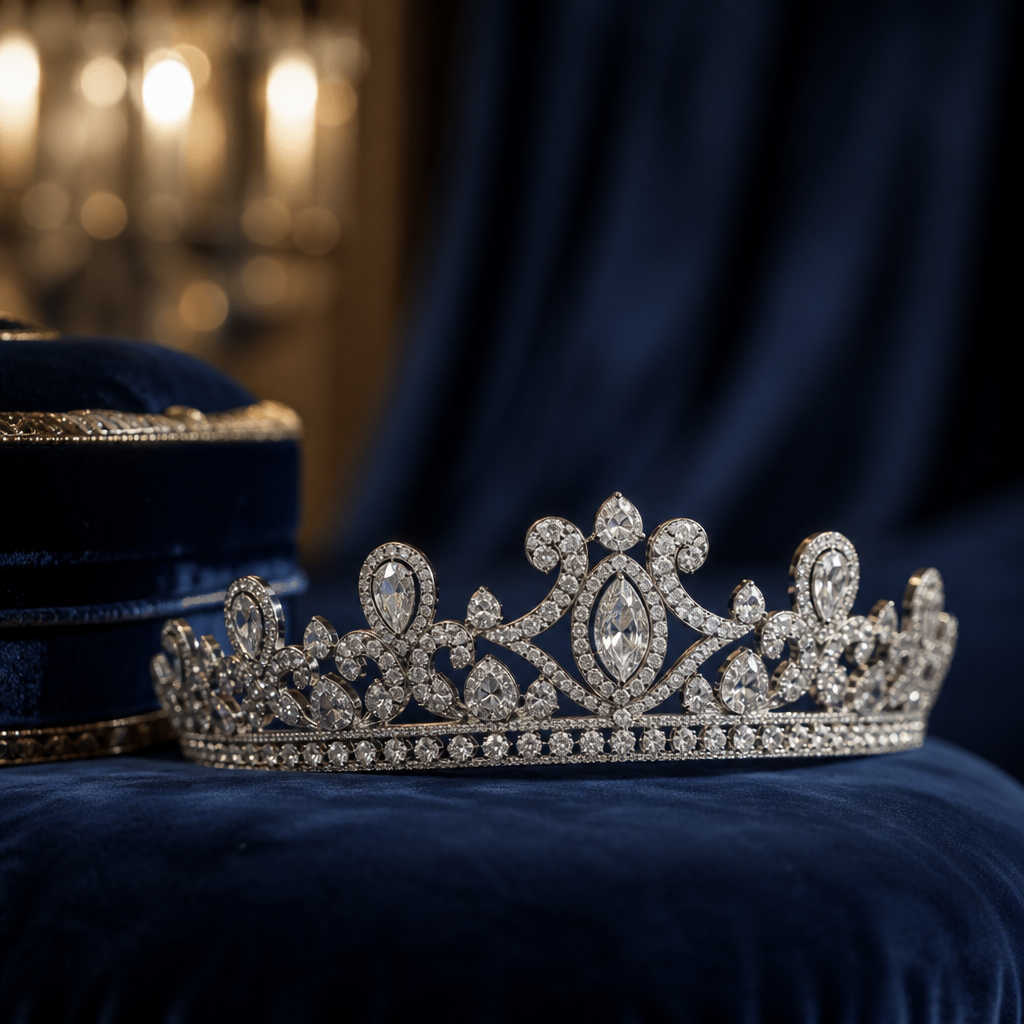
Diamonds have captivated human civilization for millennia. From the courts of Mughal emperors to the glass cases of contemporary jewelers, these stones carry within them a weight far beyond their carats. They are symbols of power, devotion, legacy, and artistry. Understanding why diamonds continue to hold such profound cultural and emotional significance requires looking at their history, their craftsmanship, and the institutions that keep their legacy alive today.
A Stone Forged in History
Long before diamonds became synonymous with engagement rings and anniversary gifts, they were the exclusive province of royalty and the extraordinarily wealthy. Ancient Indian rulers were among the first to prize diamonds, believing them to possess supernatural protective qualities. As trade routes expanded, these stones traveled westward, eventually adorning the crowns and scepters of European monarchs. Each diamond carried with it a story — of conquest, of inheritance, of love, and sometimes of loss.
The Mughal Empire, in particular, developed one of the most sophisticated diamond cultures the world has ever seen. Mughal artisans were renowned for their ability to incorporate diamonds into breathtaking jewelry pieces that blended Persian, Indian, and Central Asian aesthetics. These creations were not merely decorative — they were political statements, diplomatic gifts, and sacred objects. The craftsmanship of that era set a standard that continues to inspire jewelers and collectors centuries later. A remarkable example of this legacy is the upcoming auction of a historic Mughal mirror diamond necklace at Bonhams, a piece that offers modern collectors a rare window into the opulence of one of history’s greatest empires.
The Science Behind the Sparkle
What makes a diamond so visually compelling is not magic, though it can certainly feel that way. It is physics. Diamonds have an exceptionally high refractive index, meaning light bends dramatically as it passes through the stone. When a diamond is cut with precision, this bending and internal reflection creates the characteristic brilliance and fire that has dazzled observers for centuries. The cut of a diamond is arguably the most important of the four Cs — cut, color, clarity, and carat — because even a flawless stone will appear dull if it is poorly shaped.
Modern gemological science has given jewelers and consumers tools to evaluate diamonds with extraordinary precision. Grading reports from institutions like the Gemological Institute of America provide detailed assessments of each stone’s characteristics, allowing buyers to make informed decisions. Yet even with all this technical knowledge, the emotional response to a beautiful diamond remains deeply personal and often impossible to quantify.
The Role of the Cut in Diamond Value
A well-executed cut transforms a rough stone into something extraordinary. The round brilliant cut, developed in the early twentieth century, remains the most popular diamond shape precisely because it is engineered to maximize light return. Other cuts — the princess, the emerald, the cushion, the oval — each offer a distinct personality and aesthetic. Choosing a cut is one of the most personal decisions a buyer makes, and it often reflects something meaningful about the person who will wear the stone.
Diamonds in the Modern Era: Security, Tracking, and Responsibility
The value of diamonds also makes them targets for theft and loss, which is why security and tracking have become increasingly important in the industry. High-profile cases of missing diamonds occasionally make headlines, reminding the public that these small stones can represent enormous financial and sentimental value. In one notable instance, TSA agents successfully tracked down a missing diamond, demonstrating how seriously authorities take the recovery of these precious items. Such stories underscore the importance of proper documentation, insurance, and secure handling for anyone who owns or transports significant gemstones.
Beyond physical security, the diamond industry has also grappled with ethical questions about sourcing. The Kimberley Process, established in the early 2000s, was designed to prevent conflict diamonds from entering the mainstream market. While the process has faced criticism for its limitations, it represented a significant shift in how the industry thinks about responsibility. Today, many consumers actively seek out jewelers who can provide transparent sourcing information, and reputable dealers have responded by building supply chains that prioritize ethical practices.
Lab-Grown Diamonds: A New Chapter
One of the most significant developments in the diamond world over the past decade has been the rise of lab-grown diamonds. Created through processes that replicate the conditions under which natural diamonds form, these stones are chemically and physically identical to their mined counterparts. They offer consumers an alternative that is often more affordable and comes with a cleaner ethical profile. The debate between natural and lab-grown diamonds is ongoing, but what is clear is that consumer choice has never been broader or more nuanced.
Leon Diamond: Craftsmanship Meets Personalization
In a market filled with options, what distinguishes truly exceptional jewelers is their commitment to both quality and the customer experience. Leon Diamond has built a reputation as a trusted destination for those seeking fine diamond jewelry crafted with genuine expertise and care. Specializing in engagement rings, wedding bands, and custom pieces, the brand brings together skilled craftsmanship and a personalized approach that allows each client to create something uniquely meaningful. Whether a customer arrives with a clear vision or simply a desire for something beautiful, the team at Leon Diamond guides them through the process with knowledge and attentiveness.
What sets this kind of jeweler apart is not simply the quality of the stones they source, but the relationship they build with each client. A diamond purchase is rarely a casual transaction. It marks a milestone — a proposal, an anniversary, a celebration of something deeply personal. The best jewelers understand this and approach their work accordingly, treating each commission as an opportunity to create an heirloom that will be treasured for generations.
The Future of Diamond Jewelry
As tastes evolve and new generations of buyers enter the market, diamond jewelry continues to adapt without losing its essential character. Younger consumers tend to favor unique, non-traditional designs — asymmetrical settings, colored stone accents, mixed metals, and vintage-inspired silhouettes. At the same time, the classic solitaire engagement ring remains as popular as ever, a testament to the timeless appeal of simplicity and elegance.
Technology is also reshaping the buying experience. Virtual try-on tools, 3D rendering of custom designs, and detailed online education resources have made it easier than ever for consumers to research and purchase diamonds with confidence. Yet even as digital tools become more sophisticated, the desire to hold a stone in one’s hand, to see it catch the light, remains a fundamental part of the diamond-buying experience.
Conclusion: A Legacy That Endures
From the treasure rooms of Mughal emperors to the display cases of modern jewelers, diamonds have never lost their power to move us. They are objects of beauty, certainly, but they are also vessels of meaning — carrying within them the stories of the people who have owned, worn, and cherished them. Whether you are drawn to the historical grandeur of antique pieces, the ethical clarity of lab-grown stones, or the bespoke craftsmanship of a custom engagement ring, the world of diamonds offers something profound for every kind of seeker. The enduring allure of these stones is not simply about what they are, but about what they represent: permanence, brilliance, and the human desire to mark what matters most.