
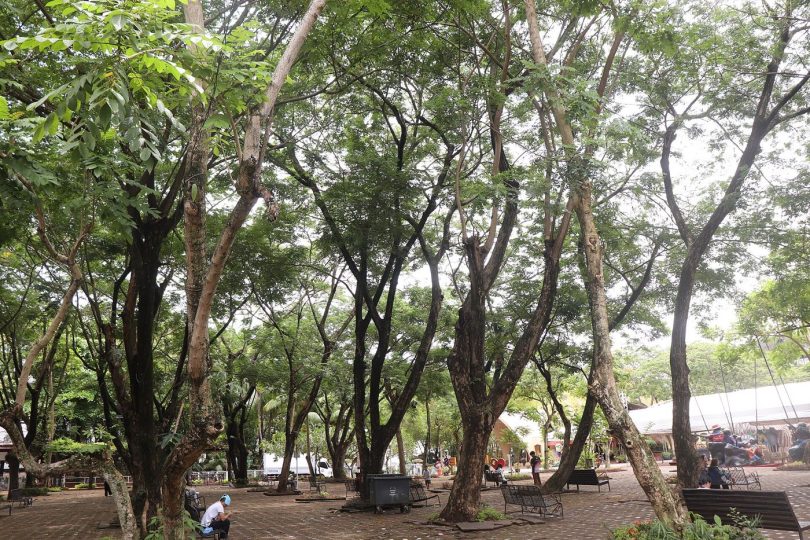

Public health teams are promoting simple shade, rest, and hydration guidance as cities plan better protection for people during periods of intense heat. Outdoor workers, older residents, children, and people with chronic illnesses face the greatest risks when temperatures stay high through the day and night. Health officials advise scheduling strenuous activity for cooler hours, taking regular breaks in shade, and drinking water steadily rather than waiting until thirst becomes strong. Recognising early signs of heat exhaustion, including dizziness, nausea, and heavy sweating, allows faster action before the more dangerous stage of heatstroke develops. Cooling centres, public drinking water points, and shaded waiting areas are being listed on city maps so residents and visitors can find relief quickly when conditions become dangerous outdoors.
What the Evidence Shows
Urban planners are mapping where shade is scarcest, often in neighbourhoods with the least tree cover and the most exposed housing. Planting trees, adding shade structures at bus stops and playgrounds, and opening cool public buildings during heatwaves all form part of longer term responses. Employers are expected to adjust workloads and provide water and rest facilities for staff working outdoors. Health services also encourage checking on neighbours who live alone during prolonged heat. As hot spells become a recurring planning issue rather than a rare event, officials say preparation before summer matters as much as the emergency response itself. City health departments plan to evaluate which measures residents actually used, so future heat plans focus on trusted, practical help rather than advice that sounds good but proves difficult to follow. Reporting and analysis from sources such as World Health Organization track the same developments, and specialists following shade and rest during hot weather say the direction is now consistent across independent lines of evidence.
The Wider Context
The wider context is a health system trying to move from treating illness late to preventing it early, against budgets that reward the opposite. Evidence around shade and rest during hot weather is being weighed by guideline committees that ask two questions in order: does it work, and can ordinary services actually deliver it at scale. Many good ideas pass the first test and stall on the second.
What Happens Next
What happens next for shade and rest during hot weather depends on the slow machinery of guidelines, funding and training catching up with the evidence. Patients asking about it today should expect honest answers that include uncertainty, and clinicians say a service that explains what is not yet known earns more trust than one that oversells. The research pipeline, at least, is moving in the right direction. You can follow related developments in our coverage of health.
There is a practical lesson in all of this for readers deciding what to do today. Start with the verified facts, be wary of anyone promising certainty, and prefer reversible steps while the evidence is still developing. Circumstances differ by country, income and personal situation, so general guidance should always be weighed against your own context before you act on it in any significant or lasting way.