

Panic attacks can feel overwhelming, sudden, and deeply frightening. Many people describe experiences such as racing heartbeat, shortness of breath, dizziness, chest tightness, trembling, or a strong sense of losing control during an episode. Even after the immediate symptoms pass, the fear of another panic attack may continue affecting daily life, confidence, and emotional wellbeing.
Without proper support, individuals may begin avoiding situations, places, or activities they associate with panic symptoms. Over time, this can increase anxiety and reduce overall quality of life. Counselling provides structured support designed to help individuals better understand panic attacks, manage anxiety more effectively, and gradually regain confidence in daily routines.
Understanding What Panic Attacks Involve
Panic attacks are intense periods of fear or physical distress that can appear suddenly and feel extremely alarming. Although the symptoms may feel physically dangerous, panic attacks themselves are generally linked to the body’s heightened stress and anxiety response.
Triggers vary from person to person. Some individuals experience panic during periods of stress, while others may notice episodes occurring unexpectedly without an obvious immediate cause.
Understanding how panic responses develop is often an important first step toward reducing fear and regaining a sense of control.
Why Fear Of Future Attacks Can Increase Anxiety
One of the most challenging aspects of panic attacks is not always the attack itself but the ongoing fear that another episode may happen again.
This fear can lead people to avoid crowded places, driving, social situations, work environments, or activities where they previously experienced symptoms. Unfortunately, avoidance patterns often strengthen anxiety over time rather than reducing it.
Counselling helps individuals gradually break these cycles by building confidence and healthier coping strategies.
How Counselling Helps Identify Triggers And Patterns
Counselling provides a safe environment to explore emotional stressors, thought patterns, behavioural responses, and lifestyle factors that may contribute to anxiety and panic symptoms.
Many individuals discover that panic attacks are linked to accumulated stress, unresolved emotional pressure, trauma, health anxiety, or ongoing worry patterns that were not fully recognised previously.
By understanding these contributing factors more clearly, individuals can begin developing healthier responses and emotional management strategies.
Learning Practical Anxiety Management Techniques
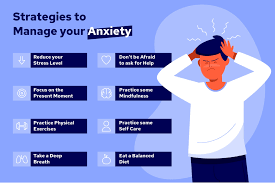
Counselling often includes practical tools designed to help regulate anxiety more effectively during stressful moments. Breathing techniques, grounding exercises, relaxation methods, and cognitive strategies may all form part of the therapeutic process.
These approaches help individuals recognise early signs of escalating anxiety and respond more calmly before symptoms intensify.
People seeking professional counselling for panic attacks often value therapy because it provides both emotional support and practical coping techniques that can be used in everyday life.
Building confidence through practice is an important part of recovery.
Improving Emotional Awareness And Self Confidence
Panic attacks can sometimes create feelings of helplessness or loss of confidence, especially if episodes begin interfering with work, relationships, or social participation.
Counselling helps individuals rebuild emotional resilience by improving self awareness, reducing self criticism, and strengthening confidence in their ability to manage anxiety safely.
Recovery often involves learning that panic symptoms, while uncomfortable, do not define personal capability or long term wellbeing.
Reducing Avoidance Behaviours Gradually
Avoiding feared situations may provide temporary relief, but it can also reinforce anxiety patterns over time. Counselling supports individuals in approaching feared situations gradually and safely while developing stronger coping confidence.
This process helps reduce the power anxiety holds over daily life and increases participation in normal activities again.
Small consistent progress often leads to meaningful long term improvement.
Personalised Support Matters
Every person experiences anxiety differently. Some individuals may struggle primarily with physical symptoms, while others experience stronger emotional or situational triggers.
Counselling approaches are usually tailored to the individual’s experiences, goals, and comfort level rather than following a single fixed process.
Personalised support often improves both engagement and long term outcomes.
Helpful Related Mental Health Research
Individuals managing anxiety also benefit from reviewing grounding techniques for anxiety management and stress reduction strategies for emotional wellbeing because these related topics help strengthen daily coping and emotional regulation skills.
Broader understanding supports long term recovery.
Panic Attacks Counselling
Panic attacks can feel isolating and difficult to manage alone, especially when fear of future episodes begins affecting everyday life. Counselling provides structured support that helps individuals understand anxiety patterns, reduce avoidance behaviours, and build healthier coping strategies over time.
The goal is not simply to stop panic symptoms temporarily but to improve long term confidence, emotional resilience, and overall wellbeing. With the right support, many people learn to regain a stronger sense of control and participate more comfortably in daily life again.