
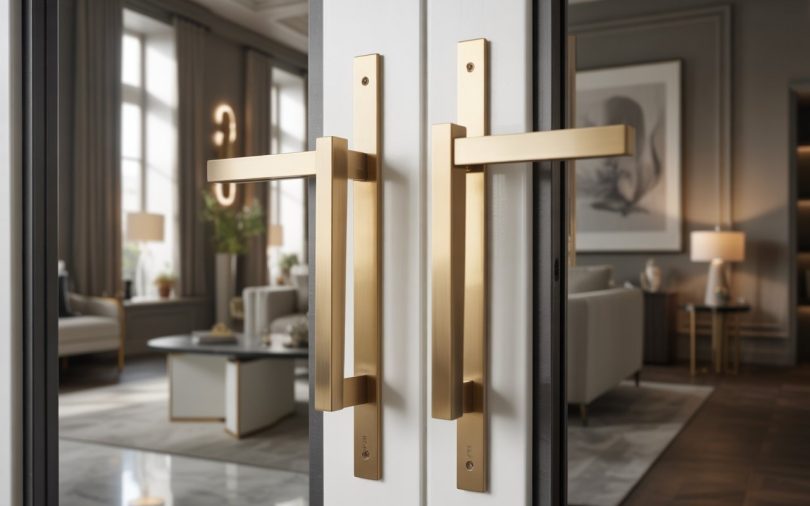

When individuals are determining the elements of the design of their buildings, they are likely to consider large items such as furnishing, floor covers, lamps or even paint shade. Nevertheless, even the tiniest elements like the door handles possess somewhat unusual effect on such aspects as the aesthetic values of a place, its convenience, and utility. Although it is an easily neglected feature, door handles form the haptic interface between people and the environment they inhabit: it determines the feel of a home and how it operates on a day-to-day basis.
Since ancient artisans, door handles are now more than just simple functions with innovative sophistication. They have been part of the interiors style, the architecture, and even security. This paper will discuss the importance of door handles rather than they may initially sound, the most important considerations of selecting them and how home owners can make a decision that will not only look good, but also work well at the same time.
The Visual Impact of Door Handles
Although door handles are minor elements, they may create a great impact on the design of a room. They are the points of constant contact and they are visible when we enter a room and this is how the blind eye observes them and it is the first impression. Door handles may either reinforce or interfere with a design theme whether they are applied to the front doors, internal passages or even to closets.
The modern design features are beginning to drift in terms of the lines becoming simple, light-drawn finish and denuded forms. The polished and minimal look that is neutral on the walls and minimal furnishing can be achieved using stainless steel, matte black and brushed nickel handles. Fancy handles and little details, bronze-finishes or bright colors are also a centerpiece on the contrary, in the traditional or eclectic-style houses, as well.
The consistency of the visual effect is enhanced with a harmoniously chosen set of handles in all rooms. Fitting the handle finishes to other hardware like cabinet pulls, handles, or other types of light is very effective towards reinforcing cohesion in interior design. The smallest details, such as combining a matte black handle with some light wooden doors, can make the image more interesting but keep to the harmony.
Ergonomics: Comfort Meets Design
One of the common features that are used frequently at home is the door handles. Every encounter yields to the user experience through opening bedroom doors and entry into the front entrance. Design issues are crucial in comfort, accessibility, and the general satisfaction.
Lever handles are popular because they are easy to use, such that a person only has to use less effort to open doors. They are mostly recommendable to children, elderly, or those with weak hands. Rounded knobs though conventional can be difficult to use especially by certain users but contemporary knob models have usually been shaped smoothly and made easier to use.
Ergonomics is a matter of perception of quality as well as prestige. A smoothly-rotating handle, comfortable to the hand and emitting a confident grip, is a message of attention to details. Ineffectively constructed or loose hardware, in their turn, may become a source of frustration and decrease the perceived value of a space.
Material and Finish Choices: Balancing Style and Function
Both aesthetic and functional life are affected by materials used to make door handles. All the possibilities offer a fusion of aesthetics and content and feel.
- Stainless Steel: Has a smooth and contemporary look and durability is excellent. It is anti-corrosive and effective both in kitchens, bathrooms and high foot traffic locations.
- Matte Black: A modern dish, the matte black door handles also have a wow and pop energy against the lighter doors and reduce the smudges and prints.
- Brushed Nickel: Brushed nickel features a smooth finish that is easy to use and does not seem too glitzy.
- Brass or Aged Bronze: It has a sense of homeliness and charm. The contemporary finishes are more focused on the mute colors and subdued class as they balance between traditional and modern style.
- Aluminum or Zinc Alloy: Light and strong, these are flexible materials that can be designed according to wishes and can be used as interior door or sliding wall.
Speaking of the material selection, the visual image of the room, the role of the door, and the number of times working with the handle should be considered. An aptly chosen finish makes it appear modern and it enhances the general aesthetic of the house.
Door Handles as Architectural Details
The door handles in interior design are no longer accidental, as in modern interior design, they are deliberate architectural elements. They associate the sense of touch and coherence. To achieve material congruence, designers tend to select handles at one of the initial stages of the design.
- Minimalism homes enjoy the advantage of mentally slim and geometric handles that support linearity and open spaces.
- Raw metal finishes or rough handles are used in industrial or loft interiors, which is also followed by bare beams and concrete floors.
- A traditional or heritage-based house may use decorative handles reflecting the style of molding, furniture, or Iron work, ensuring or retelling the architectural story.
Handles do not just serve a functional purpose but reflect a design philosophy and touch users to the intent of the space of the home.
Security and Mechanical Reliability
Despite its insignificance, the style is also a mechanical device in support of locks and mechanisms of latching. A well-built handle is very strong and ensures easy use of the machine, prevents any wear and tear and adds to the general security of the machine.
- Existant front doors must have strong handles that are accompanied with deadbolts or multi-point locking systems.
- At the interior privacy doors, they must have locks with functionality in bedrooms or offices which are significant at both cost and convenience.
- Areas that have heavy traffic should have handles that have strengthened latches and finishes that are both durable and reliable in the long run.
Such an aesthetically pleasing handle may also be very unsafe when the device is not powerful internally and fitted incorrectly. The mechanics of the handle, the nature of latch, as well as the aspects of robustness, are one of the problems that the homeowner has to consider before purchasing a place. The educational resources that are offered by the manufacturing companies of door hardware also contain some valuable information on the mechanics of the work involving various types of handles and do not bother too much about the problem of sales promotion.
Smart Handles and the Future of Home Interaction
The rise of smart home technology has transformed the role of door hardware. Smart locks and keyless entry systems integrate digital functionality while preserving physical handles for comfort and style. Modern smart handles may include:
- Fingerprint or biometric access
- Bluetooth or Wi-Fi connectivity
- Automatic locking and unlocking
- Temporary digital access codes
The physical handle is still very important even with the digitally enhanced homes. It guarantees the natural and comfortable interaction process and preserves aesthetic order in the home.
Tips for Selecting Door Handles
To choose door handles that truly enhance a home, consider the following:
- Functionality: Match handle type to door use (entryway, privacy, bathroom, or interior passage).
- Style and Cohesion: Select finishes and shapes that align with the home’s overall design.
- Ergonomics: Prioritize comfort for daily use and accessibility for all household members.
- Durability: Consider material quality and internal mechanism strength for long-term performance.
- Maintenance: Choose finishes that are easy to clean and resistant to wear in high-traffic areas.
- Security Needs: Ensure exterior handles support proper locking mechanisms, including smart features if desired.
This is because by weighing these variables, the homeowners are in a position to choose handles that are useful but also attractive.
Conclusion
The handles in doors can be little and appear plain but the effects they have had in the contemporary homes are far-reaching. They do not just exist as practical devices; they are touch enclosure, visualization points, and machine mechanisms, which determine how individuals experience space. Handles add usability and style on top of the beauty and comfort of a house since they are available in aesthetic interest and ergonomics as well as in security and technology.
With the knowledge of styles of handles and materials, finishes, and ergonomics, the homeowners would be able to make decisions that will improve their life at home. Thoughtful choice is promoted by modern design which is transforming the seemingly insignificant piece of architecture into the meaningful expression of the architecture. The handle on the right door tells about the concern, the style, and the accuracy: the opening of the doors, but the potential of a properly designed house.