
Companies now look for tools that support employees at every stage of their work journey. The shift toward hybrid structures has increased the need for digital systems that improve communication, learning, and engagement. Employees across different teams rely on systems that keep workflows smooth and transparent.
Many organizations turn to a digital employee experience platform to simplify processes and understand workplace needs. These platforms help employees feel supported, valued, and connected, regardless of where they work.
Strengthens Everyday Employee Interactions
A strong digital experience platform improves how employees access information, request help, and complete daily tasks. A well-designed system reduces confusion and saves time by centralizing tools in one location. Employees gain confidence when workflows remain clear and interruptions stay minimal. HR teams benefit from smoother processes because they can support large groups without delays. A platform that improves everyday interactions becomes the foundation of a healthy employee experience.
Simplifies Communication Across Teams
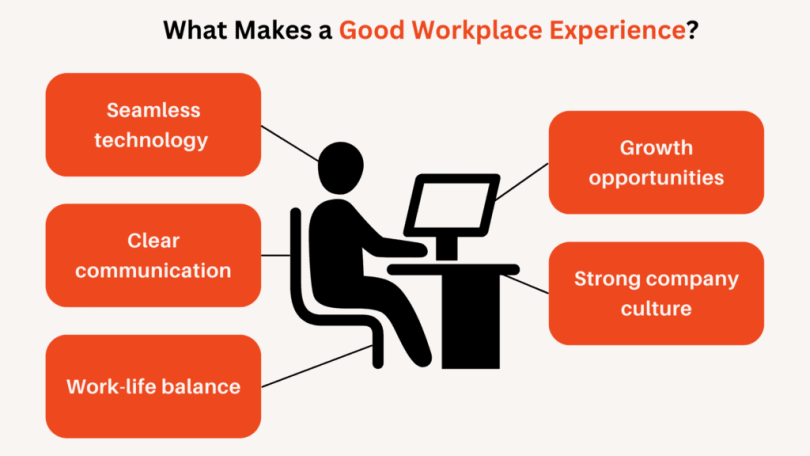
Clear communication remains one of the biggest factors in employee success. A digital platform centralizes updates, announcements, and departmental messages so employees never miss important information. This helps prevent misunderstandings and ensures alignment across all levels. The structure also supports hybrid teams that need reliable channels to stay connected. When communication becomes simple, employees feel more secure and informed. Transparency builds trust between teams and leadership.
Helps Employees Access Resources Easily
Employees perform better when they can locate tools, documents, and support channels without effort. A digital experience system organizes resources so employees avoid unnecessary searching. This saves time and improves productivity across departments. Easy access also supports new employees who want quick clarity during onboarding. A strong resource library reduces dependency on repeated questions while helping teams stay more independent. Consistency across platforms improves overall efficiency.
Boosts Employee Engagement Through Insights
Engagement data helps leaders understand how employees feel about their work and environment. Platforms collect real-time insights through surveys, polls, and check-ins. This information helps companies recognize patterns, identify concerns, and take early action. Engagement tools encourage employees to share feedback confidently. Leaders gain a clearer picture of what motivates teams. Data-backed decisions strengthen culture and support long-term engagement across the organization.
Supports Recognition and Motivation
Recognition plays a major role in employee success. Digital platforms allow managers and peers to appreciate work achievements quickly and publicly. This improves morale and encourages consistent performance. Employees feel valued when their efforts are seen and acknowledged. A strong recognition system strengthens teamwork and supports healthy workplace relationships. Companies use these tools to build positive cultures where employees stay motivated. Recognition remains one of the easiest ways to boost long-term loyalty.
Uses Analytics to Guide Decisions
Analytics tools reveal trends that are difficult to spot manually. Leaders use these insights to understand workload pressure, satisfaction levels, and organizational strengths. A digital system organizes large data sets so HR teams can review information clearly. Insights help shape training plans, engagement initiatives, and workflow improvements. Companies depend on analytics to guide decisions that support long-term growth. This data-driven approach ensures employees receive the right support at the right time.
Encourages Feedback and Continuous Improvement
A strong digital system promotes feedback that helps employees feel heard. Surveys, chat tools, and open channels allow teams to express concerns. Companies also use employee sentiment management tools to measure emotional trends. Leaders respond faster when feedback flows regularly. Employees appreciate transparent communication and timely action. Continuous improvement becomes easier when feedback stays consistent. This cycle builds trust across teams and improves overall satisfaction.
Enables Flexible and Personalized Support
A digital platform adapts to different work styles, schedules, and roles. Employees receive personalized resources that match their progress and needs. HR teams use the platform to create tailored learning modules and support plans. Flexibility becomes essential as workplaces shift to hybrid and remote formats. Personalized experiences help employees feel connected even when working independently. Companies value the structure because it improves productivity and reduces frustration.
Strengthens Manager-Employee Collaboration
Managers rely on digital tools to understand team challenges, track progress, and offer timely support. A strong platform helps managers review goals, share updates, and provide guidance in a structured way. Employees benefit from clearer expectations and smoother communication. Collaboration improves because both sides have access to shared information and well-defined workflows. Managers use the platform to address issues early and celebrate achievements consistently. This strengthens trust and makes employees feel supported throughout their work journey.
Organizations rely on a digital employee experience platform to bring clarity, connection, and support into everyday workflows. These systems help companies understand employees better and offer timely assistance. Modern workplaces benefit from platforms that improve communication, engagement, and resource access. Digital tools also support long-term development and stronger relationships between teams. A thoughtful platform helps employees stay motivated, confident, and prepared for future challenges.