
Healthcare is built on human connection, expertise, and the ability to make sound decisions under pressure. But as patient needs become more complex and healthcare systems grow larger, professionals face increasing demands. More patients, more data, more regulations, and faster turnaround expectations create an environment where even the most skilled providers need support. This is where modern data tools come in. Understanding how analytics improve patient care has become essential for organizations looking to deliver safer, smarter, and more personalized healthcare.
Analytics does not replace the clinician’s role. Instead, it supports them with clear insights drawn from patterns, trends, and real-time information. This combination of human judgment and data-driven understanding leads to better outcomes and more efficient care.
Why Analytics Matter in Modern Healthcare
Every day, hospitals and clinics generate countless pieces of information through patient records, lab reports, imaging results, vital signs, and scheduling systems. Without structure, this information becomes overwhelming. Analytics organizes it into meaningful insights that healthcare teams can use to support patient decisions.
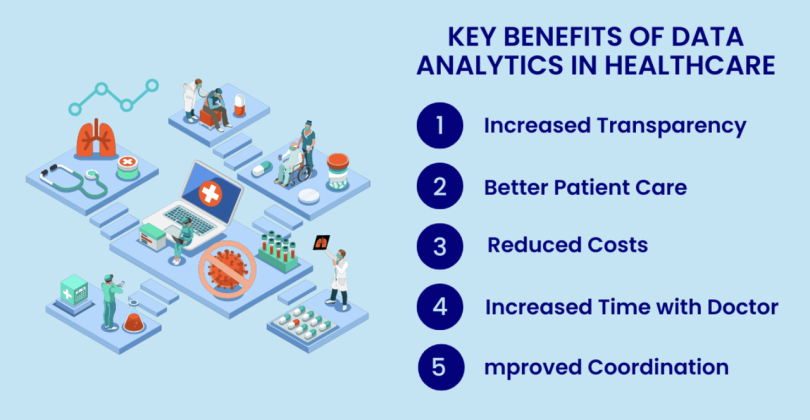
Knowing how analytics improve patient care helps organizations adopt better tools and processes that enhance clinical judgment. Analytics assists with risk prediction, timely interventions, resource planning, and patient communication. Ultimately, it gives providers the ability to see the bigger picture and act with confidence.
Supporting Accurate and Timely Diagnoses
A correct diagnosis is the foundation of effective care. Delays or inaccuracies can worsen patient conditions, extend recovery times, and increase overall costs. Analytics helps by identifying patterns that may not be visible during routine examinations.
For example, data tools can reveal subtle changes in lab values, point out trends in vital signs, or compare a patient’s symptoms with similar cases. This helps clinicians consider possible diagnoses more quickly and with greater accuracy.
Analytics also supports early detection. When unusual patterns appear in data, providers can intervene before a condition becomes serious. This proactive approach helps reduce complications and saves lives.
Strengthening Care Coordination
Healthcare often involves multiple professionals—primary care doctors, specialists, nurses, therapists, and more. Miscommunication between them can lead to delays, confusion, or incomplete treatments.
Analytics supports coordination by centralizing information, ensuring every team member has access to updated and consistent patient data. This makes it easier to:
• Track treatment plans
• Avoid duplicated tests
• Understand medication history
• Share important updates across departments
When a patient transitions from one stage of care to another, analytics helps maintain continuity. This reduces the risk of gaps and helps ensure smoother handoffs between teams.
Improving Patient Safety Through Preventive Care
One of the most powerful aspects of understanding how analytics improve patient care lies in prevention. Instead of responding to emergencies, analytics helps identify risks early.
Data tools can flag patients at high risk for:
• Falls
• Heart complications
• Respiratory problems
• Diabetes-related issues
• Post-surgery complications
By identifying these risks before symptoms escalate, healthcare teams can adjust treatments, schedule additional monitoring, or provide personalized guidance. Preventive care not only protects patients but also reduces strain on healthcare systems.
Enhancing Patient Experience and Engagement
A positive patient experience is an important part of overall health. When patients feel informed, valued, and supported, they are more likely to follow treatment plans and attend follow-up appointments.
Analytics helps improve patient experience in several ways:
• Reducing wait times
• Predicting busy hours to optimize staffing
• Identifying common frustrations in the care process
• Personalizing patient communication
For example, if data shows that certain appointment times often run behind schedule, adjustments can be made. If medication adherence rates are low, patient education strategies can be strengthened.
Analytics transforms large amounts of data into actionable steps that improve the way patients feel about their care.
Helping Healthcare Teams Work More Efficiently
Healthcare professionals balance countless responsibilities. Analytics helps lighten this load by simplifying administrative tasks and reducing unnecessary work.
With the help of data tools, teams can:
• Quickly access patient records
• Identify priority cases
• Reduce repeated testing
• Optimize schedules
• Improve resource allocation
This saves time and reduces burnout, allowing clinicians and staff to focus on what matters most—providing quality care.
Supporting Long-Term Community Health
Another important benefit is understanding health trends across entire communities. Analytics reveals patterns such as rising chronic conditions, seasonal health threats, or gaps in services. This information helps healthcare leaders plan outreach programs, adjust staffing, and improve community health strategies.
Knowing how analytics improve patient care also helps organizations prepare for broader challenges, such as:
• Outbreaks of illness
• Shifts in population health
• Increased demand for certain services
This level of preparedness supports both patients and the healthcare system as a whole.
Encouraging Smarter Decision-Making
Analytics empowers healthcare professionals by giving them a clearer view of what is happening across the patient journey. With accurate data available in real time, decisions become more informed and less reactive.
Examples include:
• Choosing the right treatment based on long-term outcomes
• Identifying which interventions work best for specific conditions
• Understanding when to escalate care
• Knowing when a patient is ready for discharge
This approach blends evidence with experience, strengthening clinical intuition.
The Human Element Remains Central
While analytics provides crucial support, healthcare remains a deeply human field. Kindness, communication, and personal connection cannot be replaced by technology. Instead, they are strengthened when providers have better tools to guide their decisions.
Understanding how analytics improve patient care highlights that data does not distance clinicians from their patients. It gives them more time to connect, listen, and support those who rely on them.
Conclusion
Analytics is reshaping healthcare by improving accuracy, enhancing communication, supporting prevention, and helping teams work more efficiently. Understanding how analytics improve patient care allows healthcare organizations to use information intelligently, leading to better outcomes and a more patient-centered approach.
As technology evolves, analytics will continue to play a growing role. But at its core, it remains a tool designed to empower the people who make healthcare work—clinicians, nurses, staff, and patients themselves.
If you’d like, I can create a companion article focused on healthcare leadership, patient experience, or the future of data in medicine.