
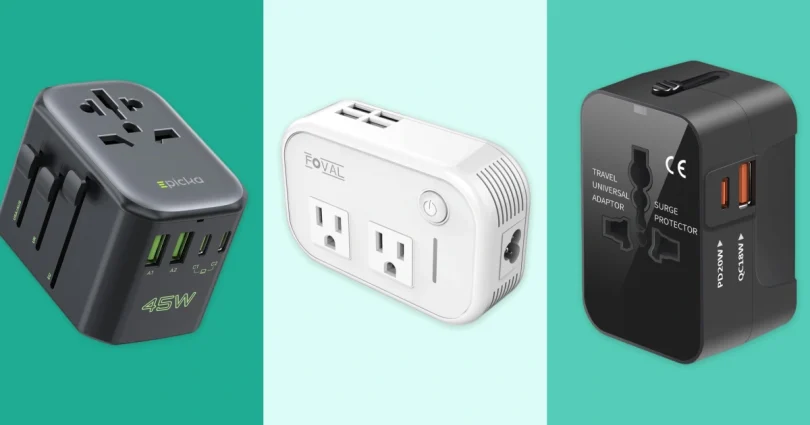

Travelling internationally often brings excitement, but it also raises practical considerations — especially when it comes to powering your devices. Different regions use varying electrical systems and plug types, which means that your everyday chargers, laptops, and appliances may not fit or function overseas. Understanding the basics of global power connections and selecting the right travel power adapter ensures that your essential electronics stay powered up throughout your journey without damage or inconvenience.
Why Power Compatibility Matters for Travellers
Each country has its own standards for electrical outlets, voltage levels, and plug configurations. Using the wrong adapter can lead to poor connections, device failure, or even electrical hazards. Before travelling, you need a solution that adapts your device’s plug type to the local socket type while accommodating the correct voltage and current requirements. This is where travel adapters play a crucial role.
For many travellers heading to regions such as Europe, understanding the local plug configuration — commonly referred to as the europe power plug – and associated voltage is essential to avoiding frustration at arrival.
Understanding Different Plug Types Around the World
Electrical plugs and sockets vary significantly between regions, and knowing which type applies to your destination helps you prepare in advance. Some of the most widely encountered plug types include:
Type A and B (North America and Japan)
Flat parallel pins, used in the United States, Canada, and Japan.
Type C (Common in Europe and other regions)
Round pins on a compact plug — widely used in much of continental Europe.
Type G (United Kingdom, parts of Asia)
Rectangular three-pin design, known for stability and safety features.
Type I (Australia, New Zealand, China)
Slanted flat pins arranged in a triangular pattern.
These are just a few of the many plug standards in use globally. Travel adapters bridge the gap between your device’s plug and the socket available in another country.
What Travel Power Adapters Do
Travel power adapters are designed to physically connect a device’s plug to a foreign socket. They do not change the electrical voltage — their purpose is to adapt the shape of the plug pins. Some advanced models also incorporate surge protection or USB charging ports, which add convenience when powering multiple devices.
When travelling between regions with different voltage standards (for example, from Australia to Europe), you must also check whether your device supports dual voltage. If it does not, a voltage converter may be needed in addition to a plug adapter.
Choosing the Right Adapter for Your Trip
When selecting a travel adapter, consider:
Plug Compatibility
Ensure the adapter supports the type of socket at your destination. Universal adapters cover multiple plug types and are useful for multi-country travel.
Device Load Rating
Check the adapter’s maximum load rating to ensure it can handle the power requirements of your devices, especially high-draw electronics like laptops and hair dryers.
Build Quality and Safety Features
Opt for adapters with sturdy construction and safety mechanisms like fused circuits or surge protection.
Port Variety
Adapters with multiple USB ports or combined plug interfaces can power several devices at once.
Voltage and Frequency Considerations
Different regions also vary in voltage and frequency. For example:
- Many European countries use 230V at 50Hz
- North America typically uses 120V at 60Hz
Most modern chargers for phones and laptops are dual voltage (100–240V), but it’s important to check the label before plugging in. If your device cannot handle the local voltage, a voltage converter or transformer is required in addition to a travel adapter.
Where Travel Adapters Fit in Your Packing List
When preparing for a trip abroad, pack your power solutions early. Travel adapters are small, portable, and best sourced before departure so you’re not scrambling at the last minute. Keeping essential charging tools — like adapters, cable organisers, and power banks — in your carry-on makes layovers and long transits much easier.
Safety Tips for Using Adapters Abroad
Safety should always come first when using electrical accessories in unfamiliar environments. Consider the following precautions:
- Buy certified adapters: Look for products that meet electrical safety standards.
- Avoid cheap, unprotected units: Poor-quality adapters increase the risk of shorts or damage.
- Plug devices carefully: Ensure the adapter fits securely and there’s no wobbling.
- Check local conditions: In some areas, outlets may be loose or outdated — inspect before use.
By being mindful of safety, you protect both your devices and yourself.
Multi-device Charging Solutions
Many travellers carry multiple devices — phones, tablets, cameras, and laptops — each with unique power needs. To streamline charging, consider travel adapters with integrated USB ports or power strips designed for international use. These solutions allow you to power several devices from one outlet, reducing clutter and improving convenience.
Adapters vs. Converters: Know the Difference
It’s common to confuse travel adapters with voltage converters. Here’s a simple distinction:
- Travel Adapter: Changes the plug shape only; does not convert voltage.
- Voltage Converter: Changes the voltage to match your device’s requirements; may be necessary for devices that don’t support dual voltage.
Always check your device specifications before travel. Most modern electronics like phone chargers and laptop power supplies support a wide voltage range, but appliances like hair dryers or electric kettles may not.
Planning for Business and Leisure Travel
Whether you’re heading overseas for work or vacation, reliable power access is essential. For business travellers, a good adapter helps ensure laptops and presentation equipment stay powered. For leisure trips, charging cameras, phones, and portable speakers keeps memories and entertainment uninterrupted.
By combining the right travel adapter with careful planning, you can avoid interruptions and stay connected throughout your journey.
Future-proofing Your Travel Accessories
Investing in a high-quality travel power adapter pays off over multiple trips. Universal adapters with modular plug heads provide flexibility for diverse travel destinations. Keeping these accessories updated helps you adapt as electrical standards evolve or as your travel habits expand.
Making the Right Travel Choices
Selecting the appropriate travel adapter involves understanding both the technical requirements and practical needs of your lifestyle. By learning about plug standards, voltage compatibility, and safety considerations, you can prepare effectively for international travel.
By exploring reputable travel adapter options and comparing features before purchase, you give yourself the best chance of seamless connectivity and reliable power access on every trip.