
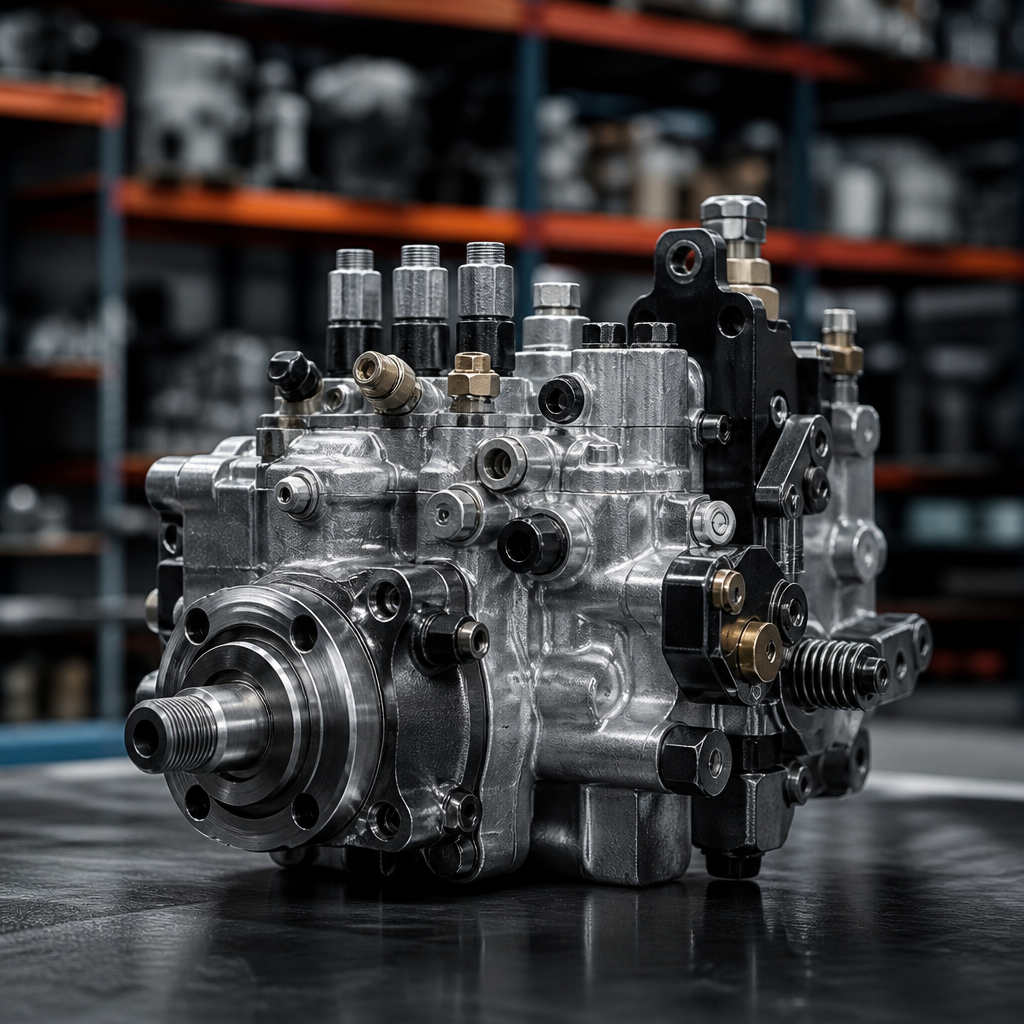
Diesel engines are built around one fundamental principle: precise fuel delivery. Whether powering a commercial fishing vessel, a heavy-duty agricultural machine, or an industrial generator, the injection pump is the component that determines how efficiently and reliably that fuel reaches the combustion chamber. Among the most respected names in this space, Zexel has earned a reputation for engineering injection systems that hold up under demanding real-world conditions. Understanding what makes these pumps exceptional — and when to replace or rebuild them — is essential knowledge for any diesel equipment operator or fleet manager.
The Role of the Injection Pump in Diesel Systems
The injection pump is not simply a fuel-moving device. It is a precision instrument that meters, pressurizes, and times the delivery of diesel fuel into each cylinder at exactly the right moment. A pump that is even slightly out of calibration can cause hard starts, excessive smoke, poor fuel economy, and long-term engine damage. In high-load environments — such as marine engines running continuously at sea or construction equipment operating in extreme temperatures — the stakes are even higher.
Diesel injection systems operate under enormous pressure, often exceeding 20,000 PSI in modern common-rail designs, though older inline and distributor-type pumps still operate at pressures that demand tight tolerances and quality materials. Any degradation in internal components — worn plungers, damaged delivery valves, or compromised seals — translates directly into reduced engine output and increased emissions.
What Sets Zexel Apart in Fuel Injection Engineering
Zexel, originally a division of Bosch and later operating independently before being reacquired, developed a line of injection pumps that became standard equipment on a wide range of diesel engines manufactured by Nissan, Isuzu, Mitsubishi, and others. Their inline and VE-type distributor pumps became known for durability, consistent fuel metering, and adaptability across different engine configurations.
The engineering philosophy behind Zexel pumps prioritizes tight manufacturing tolerances and materials that resist wear even when fuel quality is inconsistent — a common challenge in remote or marine environments. This makes them a preferred choice for operators who cannot afford unexpected downtime.
Inline vs. Distributor Pump Designs
Zexel produced both inline pumps, which use individual plunger-and-barrel assemblies for each cylinder, and distributor (rotary) pumps, which use a single pumping element to serve all cylinders. Inline pumps are generally favored for heavy-duty, high-output applications due to their robustness and ease of individual cylinder adjustment. Distributor pumps, while more compact, offer excellent fuel metering accuracy and are commonly found on light-to-medium duty diesel engines. Knowing which type your engine uses is the first step in sourcing the correct replacement or rebuilt unit.
Marine and Industrial Applications: Where Reliability Is Non-Negotiable
In marine environments, diesel engine reliability is not just a matter of economics — it is a matter of safety. Fishing vessels and commercial boats operating far from shore depend entirely on their engines to return safely. Engine room failures, including those caused by compromised fuel injection systems, have been documented as contributing factors in maritime incidents. A marine safety alert on engine room hazards aboard fishing vessels highlights how mechanical failures in confined engine spaces can escalate rapidly, underscoring the importance of proactive maintenance and the use of quality components.
For marine diesel operators, using a properly rebuilt or new injection pump is not optional maintenance — it is a baseline safety requirement. An injection pump that delivers inconsistent fuel pressure can cause misfires, incomplete combustion, and exhaust buildup, all of which create compounding risks in enclosed engine rooms.
Agricultural and Construction Equipment Considerations
Beyond marine use, Zexel injection pumps are widely used in agricultural tractors, excavators, forklifts, and generators. These machines often operate in dusty, high-temperature environments where fuel contamination is a persistent concern. Contaminated diesel accelerates wear on pump internals, making regular inspection and timely replacement critical to avoiding costly engine overhauls.
New vs. Rebuilt: Making the Right Choice for Your Application
One of the most common decisions diesel equipment owners face is whether to purchase a new injection pump or opt for a professionally rebuilt unit. Both options have legitimate advantages depending on the situation. New pumps offer factory-fresh tolerances and full warranty coverage, making them ideal for newer equipment or high-value applications where maximum reliability is required. Rebuilt pumps, when performed by experienced technicians using quality components, can restore a pump to like-new performance at a significantly lower cost — an attractive option for older equipment where a new pump may be difficult to source or economically impractical.
The key is sourcing from a supplier with a verifiable track record. A rebuilt pump from an unqualified rebuilder can fail quickly, causing more damage than the original worn unit. Always verify that rebuilt units have been tested on a calibration bench and meet OEM specifications before installation.
Sourcing Quality Zexel Injection Pumps
For operators seeking a reliable source for both new and rebuilt units, Goldfarb & Associates has established itself as a trusted supplier in the diesel injection parts market. Their inventory of zexel injection pump options — spanning both new and professionally rebuilt configurations — gives customers the flexibility to choose the right solution for their specific engine and budget requirements. With decades of experience in diesel fuel system components, they offer the technical knowledge to help match the correct pump to the application.
What to Look for When Buying a Replacement Pump
When evaluating a replacement injection pump, confirm the part number matches your engine’s specifications exactly. Even minor differences in pump timing, delivery rate, or governor configuration can result in poor performance or engine damage. Request documentation of bench testing if purchasing a rebuilt unit, and verify that the supplier offers a warranty. A reputable supplier will stand behind their product with clear return and warranty policies.
Maintaining Your Injection Pump for Long-Term Performance
Even the highest-quality injection pump will degrade prematurely if the surrounding fuel system is neglected. Fuel filters should be replaced on schedule, and fuel tanks should be inspected periodically for water contamination and microbial growth — both of which accelerate internal pump wear. Using high-quality diesel fuel and, where appropriate, a fuel conditioner or biocide treatment can significantly extend pump life.
For a practical overview of fuel system maintenance practices, this guide on how to clean fuel injectors and assess what needs attention offers useful context on maintaining the broader injection system, which works in tandem with the pump to deliver optimal combustion performance.
Conclusion: Invest in Precision Where It Counts
The injection pump is the heart of any diesel fuel system. Choosing the right pump — whether new or rebuilt — and sourcing it from a knowledgeable supplier can mean the difference between years of reliable service and costly, avoidable breakdowns. For operators in marine, agricultural, or industrial sectors, the Zexel injection pump remains one of the most proven and dependable options available. Treat it as the precision instrument it is, maintain the surrounding fuel system diligently, and your diesel engine will reward you with consistent, efficient performance across demanding conditions.

[…] many plant engineers are revisiting the fundamentals of diesel engine performance. Understanding how injection pump technology affects diesel engine output has become a critical part of maintaining operational efficiency in facilities where downtime is […]