In today’s agricultural landscape, managing operational costs without sacrificing productivity has become a defining challenge for farmers of every scale. From small family operations to large commercial enterprises, the pressure to maintain well-groomed fields, clear overgrown pastures, and manage brush efficiently is constant. Bush hogs — those heavy-duty rotary cutters pulled behind tractors — remain one of the most indispensable tools in a farmer’s arsenal. And increasingly, experienced operators are discovering that buying used equipment, rather than new, is one of the smartest financial decisions they can make for their land management strategy.
The Enduring Role of Bush Hogs in Modern Agriculture
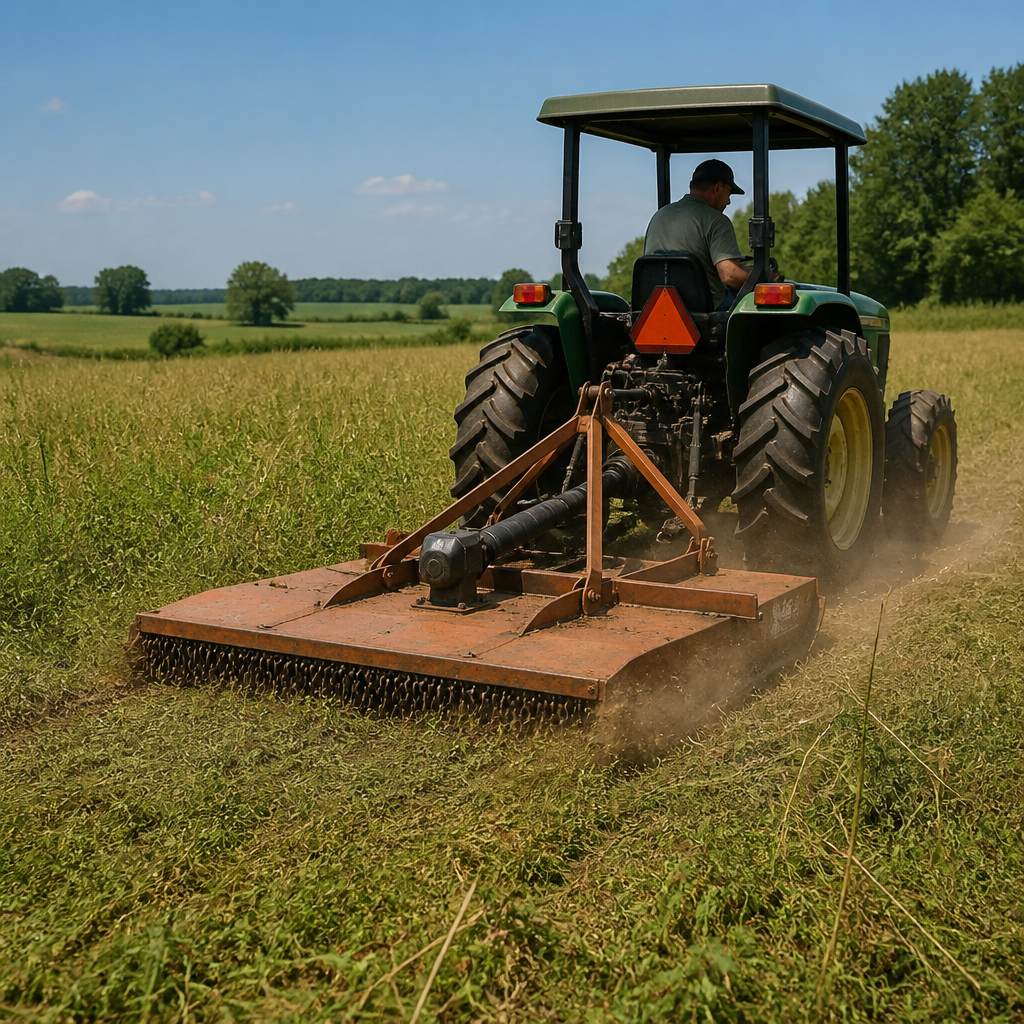
Bush hogs have been a staple of American farming for decades, and their relevance has not diminished. Whether you’re clearing fence lines, mowing roadsides, managing hay fields between cuttings, or reclaiming overgrown acreage, a rotary cutter delivers the kind of rugged, reliable performance that no other attachment can replicate. Unlike finish mowers designed for manicured lawns, bush hogs are built to handle thick brush, saplings, and uneven terrain without flinching. Their robust construction means they are designed to last — which is precisely why the used market for these machines is so robust and trustworthy.
The durability of a well-maintained bush hog is one of its greatest selling points. A quality rotary cutter that has been properly serviced can deliver years — sometimes decades — of dependable service. This longevity is what makes the secondary market so appealing. When a farmer upgrades to a larger unit or retires a piece of equipment, the machine they sell often still has significant productive life remaining. Buyers who understand this dynamic can acquire professional-grade equipment at a fraction of the original cost.
Understanding the Financial Logic Behind Buying Used
New agricultural equipment depreciates rapidly in its first few years of use, much like a new vehicle. A brand-new bush hog can lose a substantial portion of its value the moment it leaves the dealership lot. For budget-conscious farmers, this depreciation curve represents an opportunity. By purchasing a used unit that has already absorbed that initial value drop, buyers can access the same functional capability at a significantly reduced price point.
Beyond the purchase price, used equipment also allows farmers to allocate capital more strategically. The money saved on a rotary cutter can be redirected toward seed, fertilizer, fuel, labor, or other inputs that directly affect yield and profitability. In an era of tight margins and unpredictable commodity prices, every dollar of capital efficiency matters. This is why the used equipment market has grown steadily, with more farmers recognizing that smart buying is as important as smart farming.
What to Inspect Before You Buy
Purchasing used machinery requires a more discerning eye than buying new, but it is far from a gamble when approached methodically. Before committing to any used bush hog, buyers should carefully inspect the gearbox for signs of oil leaks or unusual wear, check the blade condition and thickness, examine the slip clutch or shear bolt protection system, and assess the overall structural integrity of the deck. Rust is common on older units but is not always a dealbreaker — surface rust on a solid frame is very different from deep corrosion that compromises structural strength. Asking for maintenance records and understanding the machine’s working history can also provide valuable insight into how the equipment was treated and what its remaining service life might look like.
Agriculture as Critical Infrastructure: Why Equipment Choices Matter
It’s easy to view a bush hog purchase as a purely local, practical decision — and in many ways, it is. But the broader context of American agriculture gives these choices a larger significance. As noted in a compelling analysis on why agri-food systems are critical infrastructure tied to national security, the health and productivity of American farms directly affects food supply chains, economic stability, and national resilience. When farmers invest wisely in their equipment — keeping their land productive and their operations financially sustainable — they are contributing to something far larger than their individual bottom line. Efficient land management tools like bush hogs are not peripheral; they are part of the foundational infrastructure that keeps agricultural land productive and viable.
Where Farm Equipment Comes From and Why It Matters
Understanding the origins of farm equipment can also inform purchasing decisions. Many farmers are surprised to learn just how geographically diverse the manufacturing base for agricultural machinery really is. A detailed look at where farm equipment is manufactured and how production decisions affect the industry reveals a complex global and domestic supply chain that influences everything from parts availability to pricing. For buyers in the used market, this knowledge is particularly useful — understanding which brands have strong domestic parts networks can make servicing and maintaining a used machine significantly easier and more affordable over the long term.
HR Agri Power: A Trusted Source for Quality Used Rotary Cutters
For farmers ready to explore the used equipment market, working with a reputable dealer is essential. HR Agri Power has established itself as a reliable resource for agricultural operators seeking quality pre-owned machinery. With a broad inventory and a commitment to transparent listings, the dealership makes it straightforward for buyers to find equipment that matches their specific operational needs and budget constraints. Their team understands the demands of real-world farming and curates inventory accordingly, ensuring that what’s listed is genuinely field-ready rather than simply available.
If you’re in the market for a rotary cutter, browsing the current selection of used bush hogs for sale at HR Agri Power is an excellent starting point. Their inventory spans multiple models and configurations, giving buyers the flexibility to find a unit that pairs correctly with their tractor’s horsepower rating and their land’s specific demands. Whether you need a compact single-spindle cutter for tight spaces or a wide-cut heavy-duty model for large acreage, the selection reflects the diversity of real agricultural needs.
Matching the Right Bush Hog to Your Operation
Not every bush hog is right for every farm. Selecting the appropriate unit requires honest assessment of your tractor’s power take-off (PTO) output, the typical density of vegetation you’ll be cutting, and the terrain you’ll be navigating. A unit that is underpowered for your conditions will wear out prematurely and deliver frustrating results. Conversely, an oversized cutter paired with an undersized tractor creates safety risks and mechanical strain. Taking the time to match equipment specifications to your actual working conditions is one of the most important steps in the buying process — and a knowledgeable dealer can be an invaluable guide through that decision.
Conclusion: Smart Equipment Buying Is Smart Farming
The decision to invest in a used bush hog is not a compromise — it is a calculated, strategic choice that reflects the kind of practical wisdom that defines successful farming. By understanding the durability of well-built rotary cutters, recognizing the financial advantages of the used market, and partnering with trusted dealers who stand behind their inventory, farmers can equip their operations with the tools they need without overextending their budgets. In an industry where margins are thin and every operational decision carries weight, buying smart is just as important as farming smart. The used equipment market, when navigated with care and knowledge, offers genuine value that serves both the individual farm and the broader agricultural community it supports.