
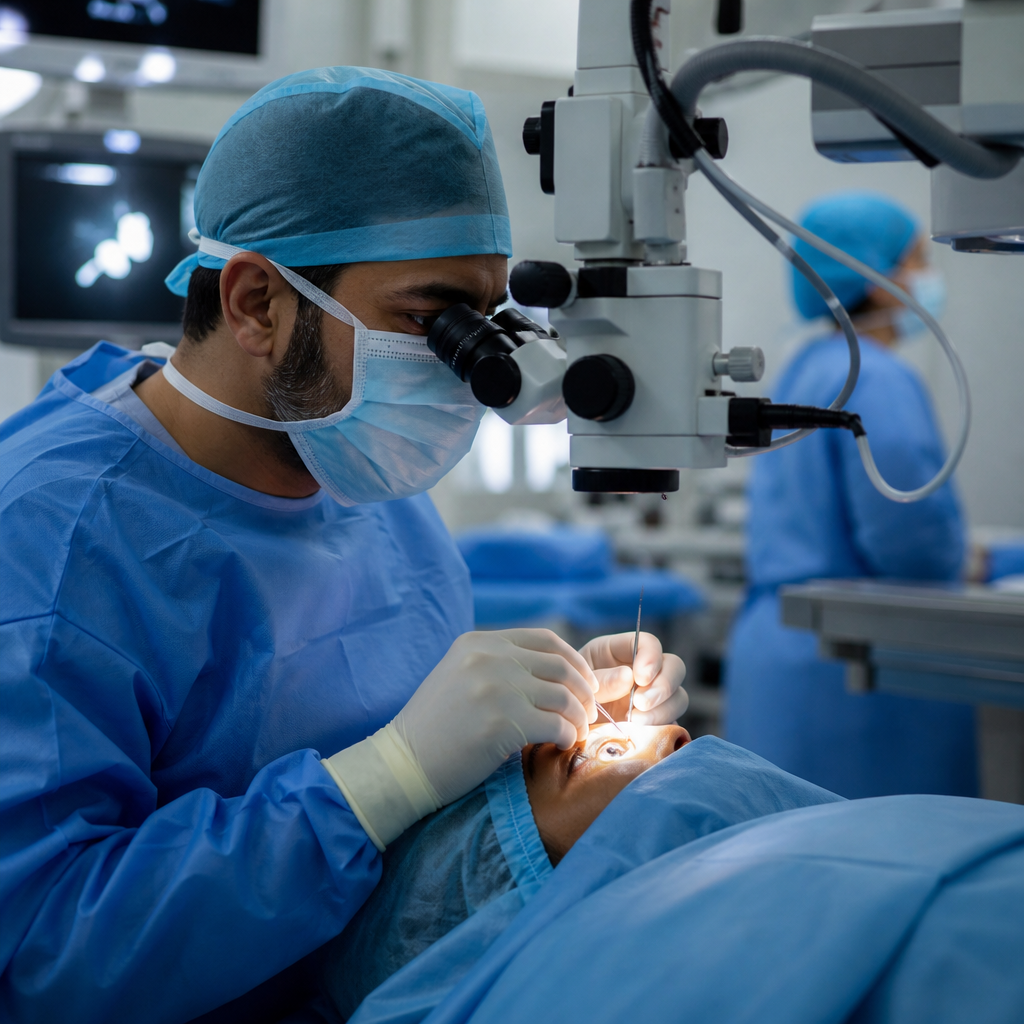
The intersection of eye health and infectious disease preparedness is a topic that has gained significant attention in recent years. As healthcare systems worldwide have been forced to adapt to evolving threats, ophthalmology has not been immune to these pressures. From surgical scheduling disruptions to new protocols for patient screening, the field of eye care has had to evolve rapidly. Understanding how these two domains connect is essential for patients, caregivers, and healthcare professionals alike who want to make informed decisions about vision care in a complex medical landscape.
Why Eye Health Deserves Attention During Public Health Crises
During any public health emergency, elective and semi-elective procedures often face postponement or cancellation. Eye surgeries — including cataract removal, LASIK, and retinal procedures — frequently fall into categories that get deprioritized when hospital resources are strained. However, delaying these procedures can carry serious consequences. Vision loss, worsening retinal conditions, and increased intraocular pressure from untreated glaucoma are just a few of the outcomes that can result from prolonged delays in ophthalmic care.
What many patients do not realize is that the eyes themselves can serve as a point of entry for certain pathogens. Viral conjunctivitis, for example, has been documented as a symptom in some respiratory illnesses. This means that ophthalmologists and their staff must maintain rigorous infection control standards not only to protect patients but also to safeguard themselves during examinations and surgical procedures.
The Ocular Surface as a Vulnerability
Research has shown that the conjunctival surface — the thin membrane covering the white of the eye and the inner eyelid — contains receptors that may allow certain viruses to bind and replicate. This biological reality has prompted ophthalmology departments to revisit their standard precautions, including the use of protective eyewear, enhanced hand hygiene protocols, and modified slit-lamp examination techniques. For patients undergoing eye surgery, pre-operative screening has become more thorough, incorporating questions about recent illness, travel history, and exposure to known infectious agents.
Healthcare Personnel and the Challenge of Ophthalmic Procedures During Outbreaks
Ophthalmic procedures require close physical proximity between the surgeon and the patient. Unlike many other surgical specialties where distance can be maintained more easily, eye surgery demands that the physician work within inches of the patient’s face. This proximity creates unique challenges during infectious disease outbreaks. Surgical teams must balance the need for precision with the imperative to minimize exposure risk.
Healthcare facilities have developed layered approaches to managing this risk. These include pre-operative COVID-19 or respiratory illness screening, the use of enhanced personal protective equipment, and the implementation of negative-pressure operating rooms where feasible. Understanding what healthcare personnel should know about caring for patients with confirmed or possible infectious illness has become a foundational element of surgical planning across all specialties, including ophthalmology.
Adapting Surgical Protocols Without Compromising Outcomes
One of the most impressive aspects of modern ophthalmology has been its ability to adapt without sacrificing patient outcomes. Surgeons have refined their techniques to reduce operative time, thereby limiting the window of potential exposure. Anesthesia protocols have been adjusted to minimize aerosol-generating procedures. Pre-operative antibiotic and antiseptic regimens have been reviewed and updated. These changes reflect a broader commitment within the surgical community to maintain the highest standards of care even when external conditions are challenging.
Patient Education and the Role of Trusted Resources
For patients navigating decisions about eye surgery during uncertain times, access to reliable information is critical. Many individuals delay necessary procedures out of fear or confusion, not because their condition does not warrant treatment. Educating patients about the actual risks — and the far greater risks of leaving serious eye conditions untreated — is a responsibility that falls on both healthcare providers and the platforms that support them.
Comprehensive resources on eyes and vision health provide patients with evidence-based information about common conditions, treatment options, and when to seek professional care. These resources help demystify the surgical process and empower individuals to have more productive conversations with their ophthalmologists.
Recognizing When to Seek Immediate Care
Not all eye conditions can wait. Sudden vision loss, flashes of light, a significant increase in floaters, or eye pain accompanied by redness and nausea are symptoms that require immediate medical evaluation. Even during a public health crisis, emergency ophthalmic care remains available and essential. Patients should never delay seeking help for acute symptoms out of concern about visiting a healthcare facility. Modern clinics have implemented robust safety measures to protect patients during every visit.
Eye Surgery Today: A Resource for Modern Ophthalmic Care
As patients seek trustworthy guidance on their vision care journey, having access to a dedicated, expert-driven platform makes a meaningful difference. Eye Surgery Today serves as a comprehensive resource for individuals exploring surgical options, recovery expectations, and the latest advancements in ophthalmic procedures. Whether someone is considering cataract surgery, refractive correction, or treatment for a retinal condition, having a reliable source of information helps bridge the gap between clinical expertise and patient understanding.
The platform reflects the evolving nature of eye care, incorporating updates that account for new research, changing safety protocols, and the broader healthcare environment. In a world where medical information is abundant but quality varies widely, a focused resource dedicated to eye surgery provides genuine value to patients at every stage of their care journey.
The Future of Ophthalmic Care in a Preparedness-Focused World
The lessons learned from recent public health challenges have permanently shaped how ophthalmology practices operate. Telemedicine has expanded, allowing for preliminary consultations and post-operative follow-ups to occur remotely when appropriate. Surgical centers have invested in better ventilation systems, contactless check-in processes, and enhanced sterilization equipment. These improvements benefit patients not only during outbreaks but in everyday practice as well.
Looking ahead, the ophthalmology community is better positioned than ever to deliver safe, effective care regardless of the external environment. The integration of infectious disease preparedness into standard surgical planning is no longer a temporary measure — it is a permanent feature of responsible ophthalmic practice. Patients can take comfort in knowing that the field has risen to meet these challenges with both scientific rigor and genuine compassion for those whose vision depends on timely, expert intervention.
Conclusion
Eye health is not a secondary concern during public health emergencies — it is a vital component of overall wellbeing that demands continued attention and access. The convergence of infectious disease preparedness and ophthalmic care has produced a more resilient, more informed, and more patient-centered approach to vision medicine. By staying informed, seeking care when symptoms arise, and utilizing trusted resources, patients can protect their vision even in the most challenging circumstances. The field of eye surgery continues to advance, and with it, the confidence that quality care remains within reach for all who need it.

[…] immune function and the body’s capacity to respond to environmental stressors. Research into eye health and surgical care in the age of infectious disease preparedness has highlighted how systemic stress responses — including those driven by cortisol — can […]