
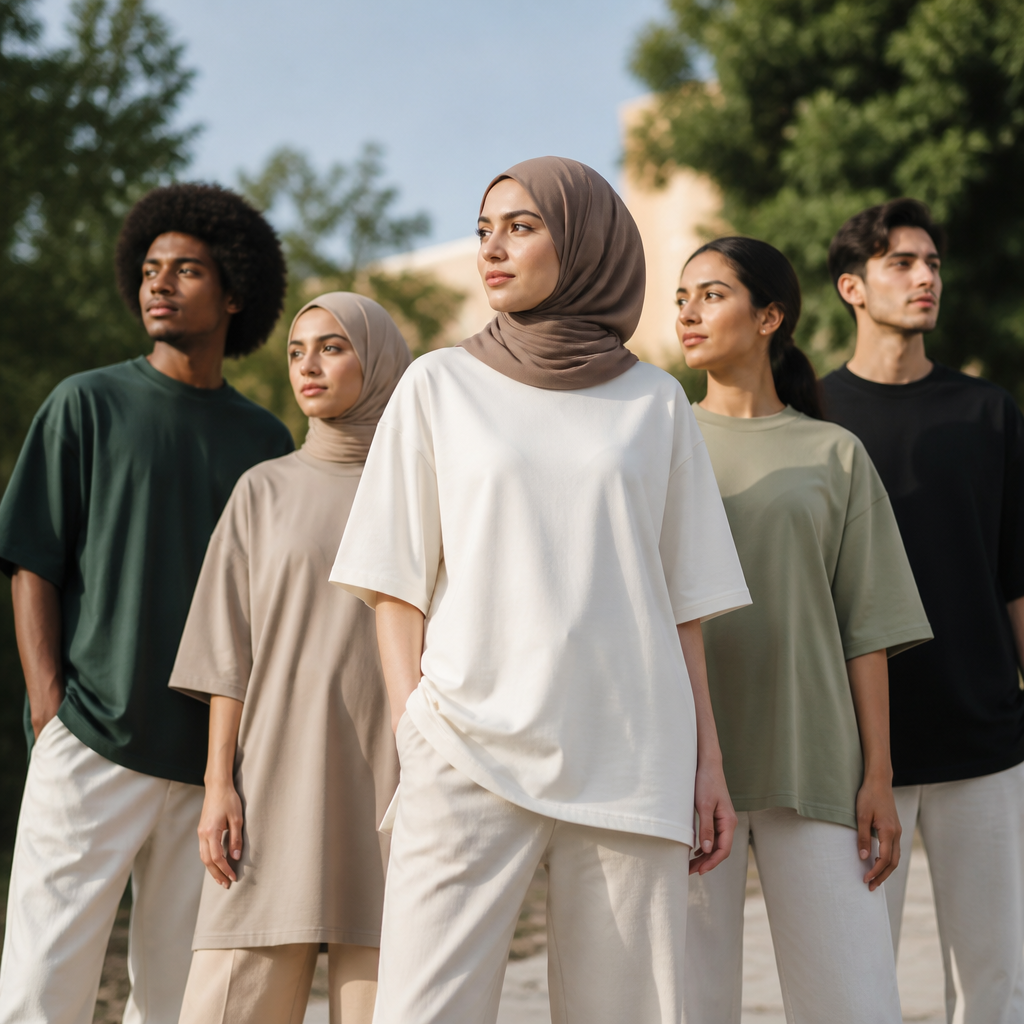
Few garments in the history of fashion have carried as much cultural weight as the humble T-shirt. What began as an undergarment for military personnel in the early twentieth century has evolved into one of the most expressive canvases in modern clothing. Today, a T-shirt can signal political allegiance, cultural identity, brand loyalty, humor, or artistic taste — sometimes all at once. Understanding the full spectrum of what a T-shirt communicates, and the responsibilities that come with that communication, is more relevant than ever in a world where clothing choices are scrutinized both socially and legally.
The T-Shirt as a Cultural and Political Canvas
Throughout the decades, the T-shirt has served as a walking billboard for ideas. From band merchandise in the 1970s to protest slogans in the 1980s and 1990s, printed tees have consistently reflected the social temperature of their era. Civil rights movements, anti-war campaigns, and environmental activism have all found a home on the chest of a cotton shirt. The simplicity of the garment makes it universally accessible, and its visibility makes it an effective tool for spreading messages — whether those messages are celebratory, provocative, or deeply controversial.
This communicative power, however, comes with real-world consequences. Legal systems around the world have begun to take notice of what people wear and what those garments represent. In the United Kingdom, for instance, a man admitted to wearing T-shirts in support of proscribed terrorist organizations, highlighting the fact that clothing choices can cross legal boundaries when they promote groups deemed dangerous by the state. This case underscores a critical point: the T-shirt is not merely fabric. It is a declaration, and declarations carry weight.
Where Fashion Meets Legal Accountability
The intersection of fashion and law is not new, but it has grown increasingly complex in the digital age. When images of controversial T-shirts go viral, the social and legal fallout can be swift. Consumers, designers, and manufacturers alike must be aware that what is printed on a garment is subject to scrutiny. This does not mean that fashion should shy away from bold expression — quite the opposite. It means that intentionality matters. Wearing or producing a T-shirt with a message should be a conscious, informed decision, not an accidental one.
Brands and custom printing services have a particular responsibility in this space. Screening content for potentially harmful or illegal imagery is not just a matter of ethics — it is increasingly a matter of legal compliance. Reputable manufacturers have begun implementing content review processes to ensure that the garments they produce do not inadvertently promote harmful ideologies or violate national laws.
The Rise of Custom T-Shirt Culture
Despite the serious dimensions of T-shirt messaging, the overwhelming majority of custom-printed tees are created for entirely positive purposes: team uniforms, family reunions, corporate events, charity fundraisers, and personal artistic expression. The demand for custom T-shirts has surged dramatically over the past decade, driven by advances in digital printing technology and the rise of e-commerce platforms that make ordering small batches both affordable and convenient.
This democratization of custom apparel has empowered individuals, small businesses, and community organizations to create professional-quality garments without the need for large minimum orders or expensive setup fees. The result is a thriving ecosystem of personalized clothing that reflects the diversity and creativity of modern culture.
Quality and Speed: The New Standard in Custom Printing
Fast Shirt Factory is a custom T-shirt printing service that has built its reputation on delivering high-quality, fast-turnaround garments for individuals and businesses alike. Whether you need a single custom shirt or a bulk order for an entire organization, the platform offers a streamlined process that prioritizes both print quality and delivery speed. In an industry where timing often matters as much as aesthetics, having a reliable production partner can make the difference between a successful event and a logistical headache.
Spring Trends and the Layered T-Shirt Aesthetic
Beyond custom printing and political messaging, the T-shirt continues to evolve as a pure fashion item. Each season brings new styling approaches that reinvent how this classic garment is worn. One of the most talked-about trends in recent fashion cycles has been the layered T-shirt look, which involves wearing multiple tees of varying lengths and colors to create a textured, dimensional outfit. This approach challenges the traditional notion of the T-shirt as a simple, standalone piece and repositions it as a building block for more complex ensembles.
For those looking to stay ahead of the curve, this guide to layered T-shirts as a spring trend offers practical styling advice and inspiration for incorporating the look into everyday wardrobes. The trend is particularly appealing because it requires no new wardrobe investment — most people already own the pieces needed to experiment with layering. It is a creative, low-cost way to refresh a wardrobe while embracing a genuinely contemporary aesthetic.
Styling Tips for the Modern T-Shirt Enthusiast
Whether you are drawn to minimalist basics or bold graphic prints, the key to mastering T-shirt style lies in understanding proportion and context. A well-fitted plain white tee can be just as impactful as an elaborately printed statement shirt, depending on how it is styled and where it is worn. Pairing a classic crew-neck tee with tailored trousers and clean sneakers creates a smart-casual look that works across a wide range of social settings. Meanwhile, oversized tees layered over long-sleeve shirts or under open button-downs offer a more relaxed, streetwear-influenced silhouette.
Fabric choice also plays a significant role in the overall impression a T-shirt makes. Heavyweight cotton conveys durability and a premium feel, while lightweight jersey fabrics drape more elegantly and suit warmer climates. For custom-printed garments, the fabric weight also affects how well ink adheres and how long the print retains its vibrancy after repeated washing.
The Brand Behind the Garment: Why Manufacturing Matters
In a market saturated with custom printing options, the quality of the manufacturer matters enormously. Poorly printed shirts fade quickly, shrink unevenly, or crack after a few washes — outcomes that reflect badly on whoever ordered them, whether that is a business, a nonprofit, or an individual. Choosing a manufacturer with a proven track record of quality control and consistent output is essential for anyone who wants their custom garments to make a lasting impression.
Fast Shirt Factory has positioned itself as a go-to solution for customers who refuse to compromise on either quality or speed. The service caters to a wide range of needs, from single-piece personal orders to large-scale bulk productions, and maintains rigorous standards throughout the printing process. For organizations that rely on branded apparel as part of their identity — whether for staff uniforms, promotional merchandise, or event giveaways — this level of reliability is not a luxury. It is a necessity.
Conclusion: Wearing Your Message Wisely
The T-shirt occupies a unique position in the world of fashion and culture. It is simultaneously the most ordinary and the most expressive garment most people own. From the courtroom implications of politically charged prints to the runway-ready appeal of layered spring styling, the T-shirt continues to evolve and surprise. What remains constant is its power to communicate — and with that power comes the responsibility to choose messages thoughtfully, source garments ethically, and wear clothing with intention. Whether you are ordering a custom batch for your next corporate event or experimenting with layered looks for the season ahead, the T-shirt remains one of fashion’s most enduring and versatile tools.