

Key Takeaways
Hail damage on RVs often shows up as exterior dents that can escalate into major problems like leaks and rust if left unchecked. Regular inspections play a vital role in spotting both visible and hidden damage, especially on roofs, windows, and seals.
Vigilance is important for RV owners throughout the year, particularly during the summer months in the Midwest when hailstorms are most likely. By utilizing weather apps and monitoring forecasts, potential damage can often be mitigated through timely protective measures.
Effectively assessing hail damage requires identifying external signs like dents or cracks, along with documenting these issues through photographs for insurance purposes. Sometimes, unusual noises while driving may signify internal damage that warrants further investigation.
Selecting a repair service should hinge on industry experience and solid reputations. Specialized shops focusing on rv hail damage repair should be prioritized. Engaging with service providers can also help gauge their customer service quality and commitment to restoring both aesthetics and functionality.
Neglecting hail damage threatens both the safety and resale value of an RV, with water intrusion and corrosion leading to serious and expensive repairs over time. Timely repairs not only create a safe environment for RV owners but also protect the integrity of their investment.
Taking proactive steps, such as using high-quality RV covers and conducting regular maintenance checks, is crucial for reducing the risks of hail damage. Additionally, emerging technologies like spray-on protective products may further enhance surface resilience against unexpected dings.
Repair costs for hail damage can vary widely, largely depending on the extent of the damage and the geographic area. Minor repairs could set RV owners back a few hundred dollars, while extensive damage might exceed thousands. Therefore, obtaining multiple quotes remains a wise move for gauging reasonable pricing.
Recognizing Hail Damage: Key Signs Every RV Owner Should Know
What Does Hail Damage Look Like on an RV?
Grasping the concept of hail damage proves essential for RV owners intent on preserving their investment. Typically, this damage becomes visible as dents on the vehicle’s exterior. While they might appear minor, these dents can undermine the RV’s structural integrity. Over time, pitting and cracking may surface as residual effects of hail impacts, weakening components and leading to more serious problems like leaks. A close inspection of the roof is critical, as damage can often be more severe in that area. It’s wise to be on the lookout for rust spots, which may indicate trapped moisture.
A professional assessment can unveil damage that isn’t immediately perceptible. This concern extends beyond mere aesthetics; it’s fundamentally about safety and function. Who would want to compromise their comfort due to superficial blemishes?
Clients often neglect to check windows and vents. Hail can shatter or create micro-cracks in these areas, setting the stage for future water ingress. Proactive attention to these points is always advisable, as problems can escalate rapidly.
Timing and Weather Patterns: When to Be Most Vigilant
Storm season varies across different regions. For instance, the Midwest usually encounters hail storms during the summer months, particularly in May and June. However, any area can experience unexpected hail, so keeping vigilant year-round is paramount. A sudden storm can inflict considerable damage. Therefore, paying attention to forecast predictions and weather patterns, especially during periods of high winds or thunderstorms, is essential.
Experts recommend parking under cover when severe storms loom. Safeguarding against unpredictable hailstones proves crucial. However, identifying suitable shelter may not always be straightforward—adequate preparation could save RV owners thousands.
Taking the time to predict these storms can feel burdensome. Yet, staying informed via weather apps often proves beneficial. Clients should install an app that offers timely alerts. When a storm approaches, the ability to move the RV into an enclosed space can be the difference between safe investment and hefty repair costs.
Essential Steps for Effective RV Hail Damage Repair
How to Assess the Extent of Damage
Assessing hail damage demands a systematic approach. Begin with an inspection of exterior signs—dents, creases, and missing paint are common indicators. Next, scrutinize seals and windows; any cracks or defects could lead to long-term water damage that requires immediate intervention. Clients often find it helpful to photograph the damage from multiple angles. This documentation can assist in future discussions with insurance adjusters or repair professionals.
Moreover, it’s not solely about physical observations. Keeping an ear out for unusual noises while driving after a storm might reveal internal damage. Ignoring such signs could lead to escalating repair costs down the line.
- Inspect the roof, sides, and undercarriage for any dents or cracks.
- Check window seals and look for signs of leaks.
- Document each issue thoroughly.
Choosing the Right Repair Service: What to Look For
Selecting an RV repair service shouldn’t be a hasty decision. It’s best to seek providers who boast substantial industry experience and commendable reputations. Recommendations from fellow RV owners can provide invaluable insights. Emphasizing shops that specialize in RV hail damage repair reflects their level of expertise and commitment to maintaining high standards.
Reaching out directly to these service providers gives clients a better sense of their customer service and responsiveness. An engaged team willing to address inquiries indicates a higher likelihood of attentive service. Repairs should align with both aesthetic and functional needs. But what does this entail in practice?
- Explore online reviews and ratings on various platforms.
- Request before-and-after photos showcasing past work.
- Ask about repair warranties—a reliable service should be confident enough to guarantee its work.
Long-term Implications of Ignoring Hail Damage on Your RV
How Neglecting Repairs Affects RV Value and Safety
Ignoring hail damage is more than just a cosmetic issue—it directly threatens both safety and value. Dents and creases can result in corrosion, ultimately endangering structural integrity. Clients inevitably face more costly repairs later on. Beyond financial ramifications, overlooking these issues can significantly diminish resale value. An RV with unresolved problems raises red flags for potential buyers.
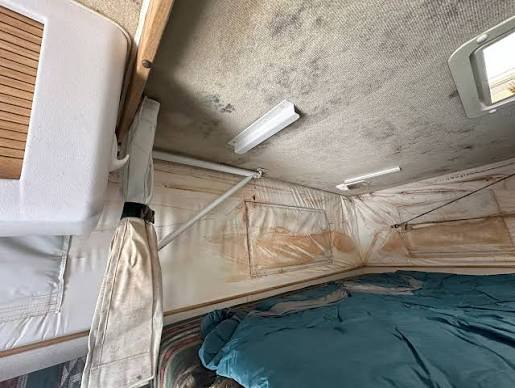
Experts caution that water intrusion from unrecognized leaks can foster mold and mildew, creating an unhealthy environment within the RV. It’s common for owners to underestimate these potential dangers. Swiftly addressing damage guarantees a safe and enjoyable travel experience.
The RV lifestyle should revolve around freedom, not anxiety over damage.
Preventative Measures to Safeguard Your Investment
Taking proactive measures can be remarkably beneficial. Investing in a high-quality cover for the RV during storm seasons is a must. These covers significantly reduce hail damage, providing an essential layer of protection. Additionally, cultivating a reliable relationship with an RV service provider can pay dividends. Routine maintenance checks not only keep the vehicle in peak condition but can also help identify potential hail damage before it escalates.
Fortunately, innovative protective technologies continue to emerge. Clients have found success using spray-on products that bolster the RV’s surface against dings. Adopting a preventative mindset ultimately ensures a worry-free experience on the open road.
The Cost Factor: What to Expect for RV Hail Damage Repairs
Breaking Down the Pricing: What Influences Costs?
The cost associated with RV hail damage repair can vary based on several factors. The extent of the damage plays a major role in pricing—minor surface dents may only cost hundreds, while substantial repairs could run into the thousands. Additionally, the types of materials used, along with labor costs, will influence the final invoice. Professionals typically advise obtaining multiple quotes from various service providers, enabling RV owners to understand what constitutes reasonable pricing within their local market.
Location, too, can affect repair costs. Urban areas may exhibit higher rates than their rural counterparts. Familiarizing oneself with local pricing trends equips clients to avoid overpaying for necessary services.
- The extent of damage sets the foundation for repair costs.
- Quality of materials and craftsmanship directly impacts the overall expense.
- Labor rates fluctuate based on geographical area and service reputation.
Insurance Considerations: Filing Claims for Hail Damage
Insurance coverage significantly affects the financial implications of hail damage repairs. Often, clients discover their policy could cover some or all repair costs, depending on the specifics of their coverage. Understanding one’s policy details is crucial; knowing what’s included can prevent surprises during the claims process.
Though filing a claim may feel intimidating, taking it step by step makes it manageable. Thoroughly document the damage initially, then reach out to the insurer for assistance. A knowledgeable agent can guide clients through the claims process, ensuring all necessary information is provided to expedite approvals. Additionally, prompt repairs following claims submission are advisable, as insurance companies appreciate quick action. Caring for the RV isn’t merely about maintenance—it’s about safeguarding an investment.
In the end, RV owners must navigate the insurance landscape with care. Familiarity with one’s coverage can save both time and money. Staying informed about the claims process smooths the experience when damage arises.
In summary, mastering the skills of recognizing, repairing, and preventing RV hail damage can significantly enhance an owner’s experience. Understanding is key. By taking proactive steps, clients can embark on their journeys with confidence, embracing the RV lifestyle free of worry.
FAQ
What are the long-term consequences of ignoring hail damage on an RV?
Overlooking hail damage can instigate a variety of serious issues, including compromised structural integrity, inflated repair costs, and a substantial decline in resale value. Water intrusion from undetected leaks may pave the way for mold and mildew, creating unhealthy living conditions.
What should RV owners do immediately after a hailstorm?
After a hailstorm, it’s crucial for RV owners to conduct a thorough inspection as soon as it’s safe. Evaluating for visible damage, documenting it with photographs, and getting in touch with a professional for a comprehensive assessment can help avoid long-term problems.
How can technology assist in protecting RVs from hail damage?
Technological advancements, such as spray-on coatings that improve surface resilience, can significantly contribute to preventing hail damage. Investing in high-quality RV covers also provides protection against hailstorm impacts, consequently reducing future repair needs.
What is the best way to document damage for insurance purposes?
For effective documentation of hail damage, RV owners should take clear, well-lit photos from various angles. Close-ups of dents, cracks, and other visible signs should be included, along with images showcasing the RV in its usual parking position to give context.
How does the size and type of an RV influence repair costs?
The size and type of an RV are significant factors in determining repair expenses. Larger units usually incur higher repair costs, as addressing extensive damage may necessitate specialized labor and materials. Conversely, smaller units might offer more straightforward repair processes.
What should RV owners know about their insurance policy regarding hail damage?
RV owners ought to review their insurance policy thoroughly to grasp the coverage specifics concerning hail damage. Comprehensive coverage generally provides superior protection, but awareness of deductibles, limits, and claims processes can help prevent unforeseen complications during a claim.
Are there any preventative maintenance tips to follow year-round?
Consistent maintenance is vital for preventing hail damage. Monitoring seals, windows, and roof integrity, while also applying protective coatings and storing the RV in a sheltered area during storm seasons, can greatly diminish the likelihood of hail-related complications.
What are common misconceptions about hail damage repair?
A common myth is that repair processes are invariably lengthy and complicated. Yet, many repairs can be completed swiftly and efficiently, especially when addressed promptly. Another misunderstanding is that minor damage doesn’t warrant immediate attention, which can ultimately lead to more severe problems over time.