
Modern football is not only captivating because of its speed, technique, and on-field excitement, but also because of the emergence of refereeing technology. In many big matches, just a handball, an offside situation, or a foul in the penalty area can change the entire course of the game. Therefore, the question…What does “var” mean in football?It is gaining increasing attention from fans, especially as this technology frequently appears in the World Cup, Champions League, Premier League, and national team tournaments.
The concept of VAR in modern football.
To understand clearlyWhat does “var” mean in football?First, it’s important to know that VAR stands for Video Assistant Referee. This system uses slow-motion footage from multiple camera angles to assist the main referee in making more accurate decisions in crucial situations. VAR doesn’t completely replace the on-field referee, but rather acts as a verification tool when there are doubts about goals, penalties, direct red cards, or misidentification of players.
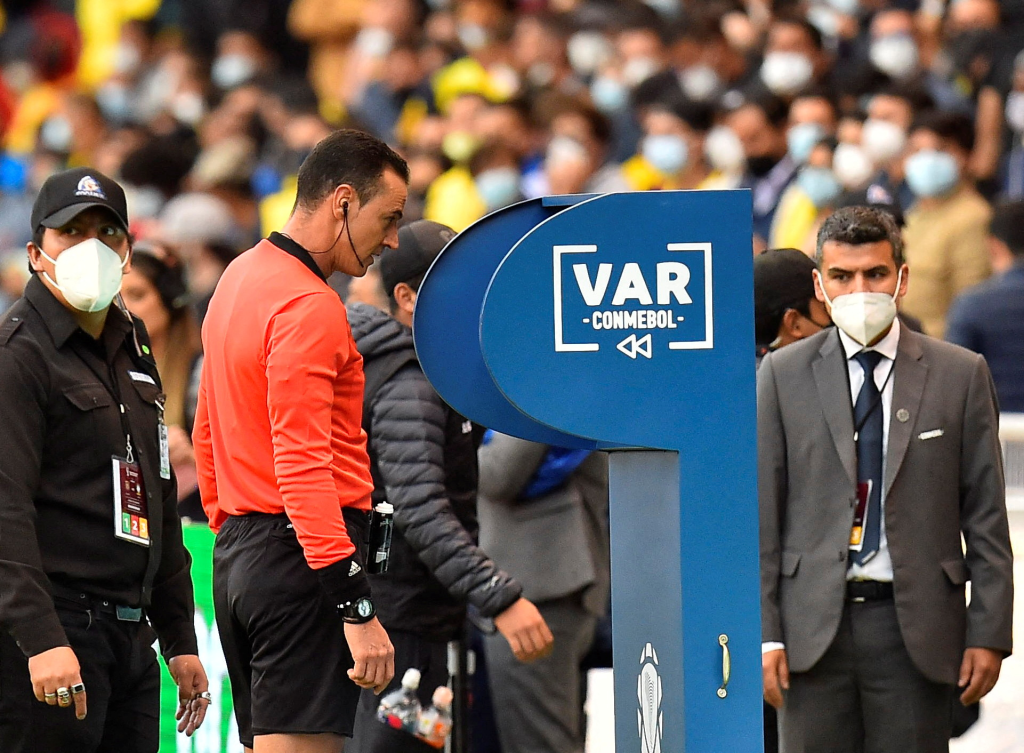
This technology was tested by FIFA in several tournaments before being widely implemented at the 2018 World Cup. Since then, VAR has become a familiar part of top-level football. When watching a match via VAR…coi truc tiep bong da Spectators can often see the referee making a rectangular hand gesture before reviewing the footage on the sideline screen.
The referee checks the VAR screen to make the correct decision in a controversial situation.
What is VAR in football and how does this system work?
When researchingWhat does “var” mean in football?Viewers need to understand how the system works. In a match with VAR, a team of video referees sits in a separate control room. They monitor the match across multiple screens, using different camera angles to review controversial plays. If they detect that the main referee may have made a clearly incorrect decision, the VAR team will communicate via headset to inform the referee.
Afterward, the main referee can uphold the initial decision, change the decision after consulting with others, or go directly to the sidelines to review the situation on the monitor. The final decision still rests with the main referee. This is a crucial point that helps VAR maintain its supportive role, rather than turning the match into a completely automated officiating system.
Situations where VAR intervenes
VAR is not allowed to intervene in every play. When analyzing…What does “var” mean in football?It’s important to understand that this technology is only applicable in certain situations that significantly impact the outcome of a match. Firstly, goals, including offside errors, fouls committed before scoring, or whether the ball has gone out of bounds. Secondly, penalty situations, such as a defender committing a foul in the penalty area or an attacking player falling after a collision.
Thirdly, there’s the direct red card, when the referee needs to determine the severity of the tackle. Finally, there’s the case of misidentifying a player, for example, the referee issuing a card to the wrong person. This limitation helps VAR avoid excessive intervention and maintain a reasonable pace in the game.
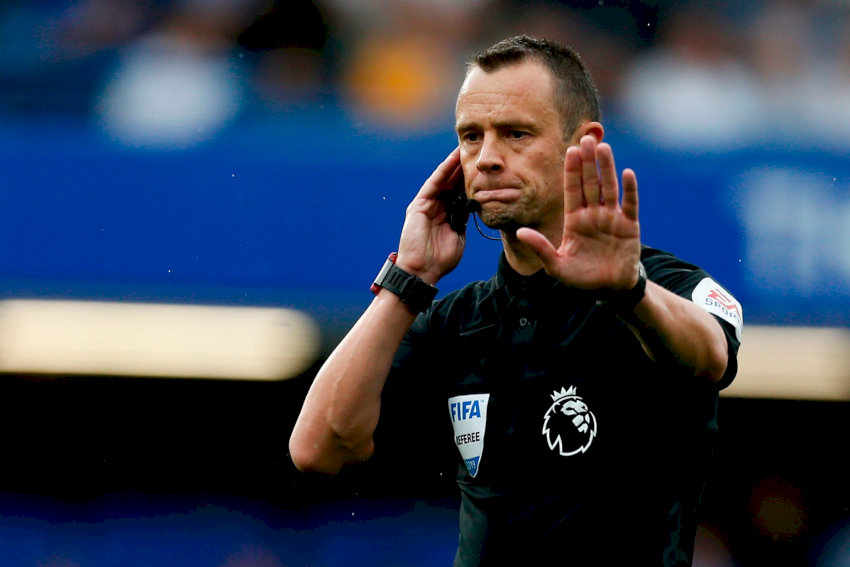
VAR brings more fairness to modern football but still generates much debate about the emotional aspects of the game.
Advantages of VAR for football
One of the reasons fans careWhat does “var” mean in football?This is because the technology has significantly reduced serious errors. Previously, many historic matches were controversial because referees couldn’t observe everything in a split second. With VAR, decisions about goals, penalties, or red cards have become more grounded.
According to bxh bóng đá , VAR also creates fairness for teams. A team might not be unfairly denied a goal due to a supposed offside, or be awarded a penalty after the referee missed a foul. For viewers watching via VAR…90m TVFurthermore, VAR slow-motion replays help them better understand why the referee changed his decision.
Controversies surrounding VAR
Despite offering many benefits,What does “var” mean in football?It remains a subject of debate. Some argue that VAR diminishes the natural excitement of the game. When a player scores, they sometimes have to wait a few minutes to find out if the goal is allowed. This interrupts the celebratory moment, especially in tense matches.
Furthermore, VAR is still subject to human interpretation. The same collision situation might be deemed a foul by one referee, while another sees it as a legitimate challenge. Therefore, VAR cannot completely eliminate controversy, but only provides referees with additional data to make more informed decisions.
How does VAR affect game tactics?
When understoodWhat does “var” mean in football?It’s clear that this technology not only impacts referees but also influences how players perform. Defenders today must be more cautious in the penalty area, as fouls like pulling shirts, elbowing, or handballs can all be detected by cameras. Forwards also need better positional control because semi-automatic offside lines are becoming increasingly accurate.
Coaches also have to adjust their tactics. Teams that play aggressive pressing need to avoid dangerous fouls, while attacking players must be alert when falling in the penalty area, as diving can be detected by VAR. This makes modern football more disciplined and transparent.
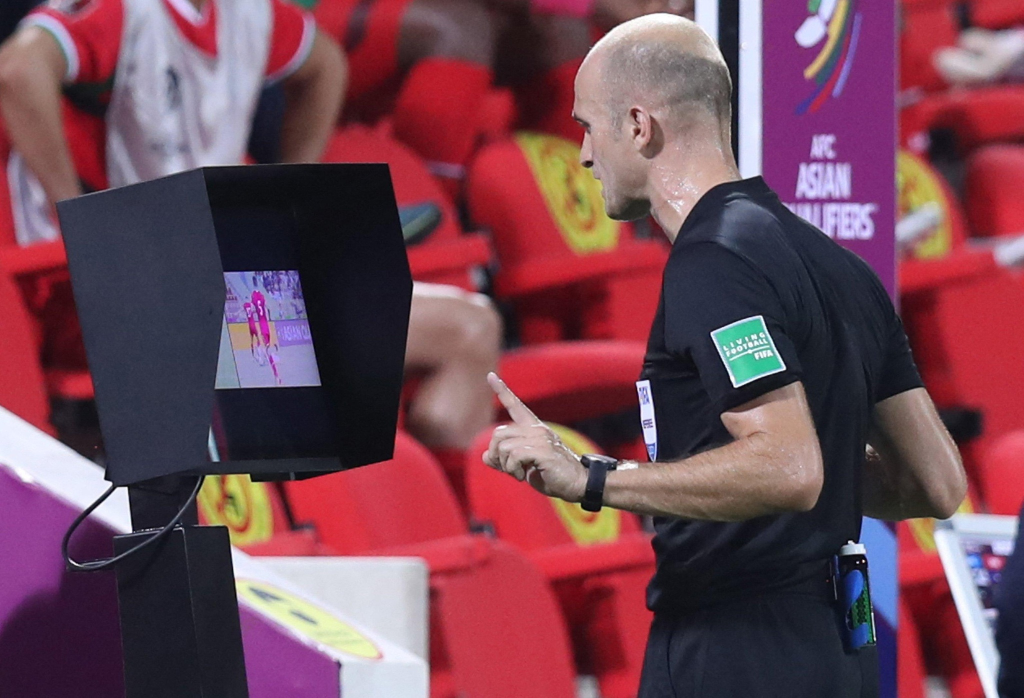
The video referee team monitors the match from multiple angles to assist the main referee on the field.
VAR in the online football viewing experience
For the viewers,What does “var” mean in football?This is no longer a strange concept, because every major match can have at least one situation that needs to be examined. On online platforms, viewers not only watch the main events but also follow slow-motion replays, analytical commentary, and expert opinions.90 PhutIt helps fans stay updated on the match quickly, thereby better understanding the decisions related to VAR.
This is especially important in high-stakes matches, where even a small decision can determine the championship, qualification for the next round, or the fate of a coach. With a stable football viewing platform, fans won’t miss moments when referees check the screen or change decisions after consulting VAR.
The future of VAR in football
In the future, as we continue to learn more.What does “var” mean in football?Fans will see this technology continuously improve. FIFA and federations are developing semi-automatic offside systems, in-ball sensors, and artificial intelligence to assist referees more quickly. The goal is to reduce waiting times, increase accuracy, and maintain the emotional intensity of the match.
However, even the most advanced technology needs balance. Football remains a sport of emotion, human error, and unexpected moments. VAR should be used as a tool to protect fairness, not to disrupt the natural flow of the game.
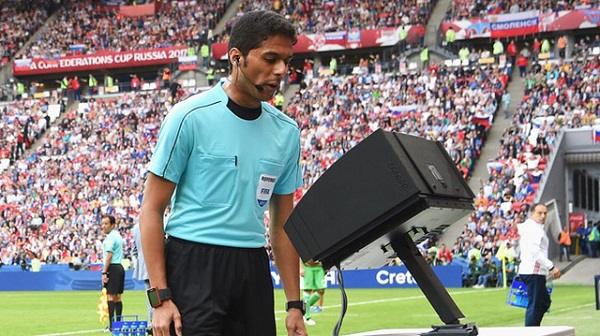
Fans can follow VAR situations clearly when watching live football on 90Phut.
Conclude
In short, What does “var” mean in football?This is a crucial question in understanding the changes in modern football. VAR is a video-assisted refereeing technology that helps review key situations such as goals, penalties, red cards, and misidentification of players. Despite ongoing debate, VAR has contributed to increased fairness, transparency, and professionalism in major leagues. For fans, watching football through quality platforms like…90 PhutThis will help make the VAR experience clearer, more engaging, and more complete.